


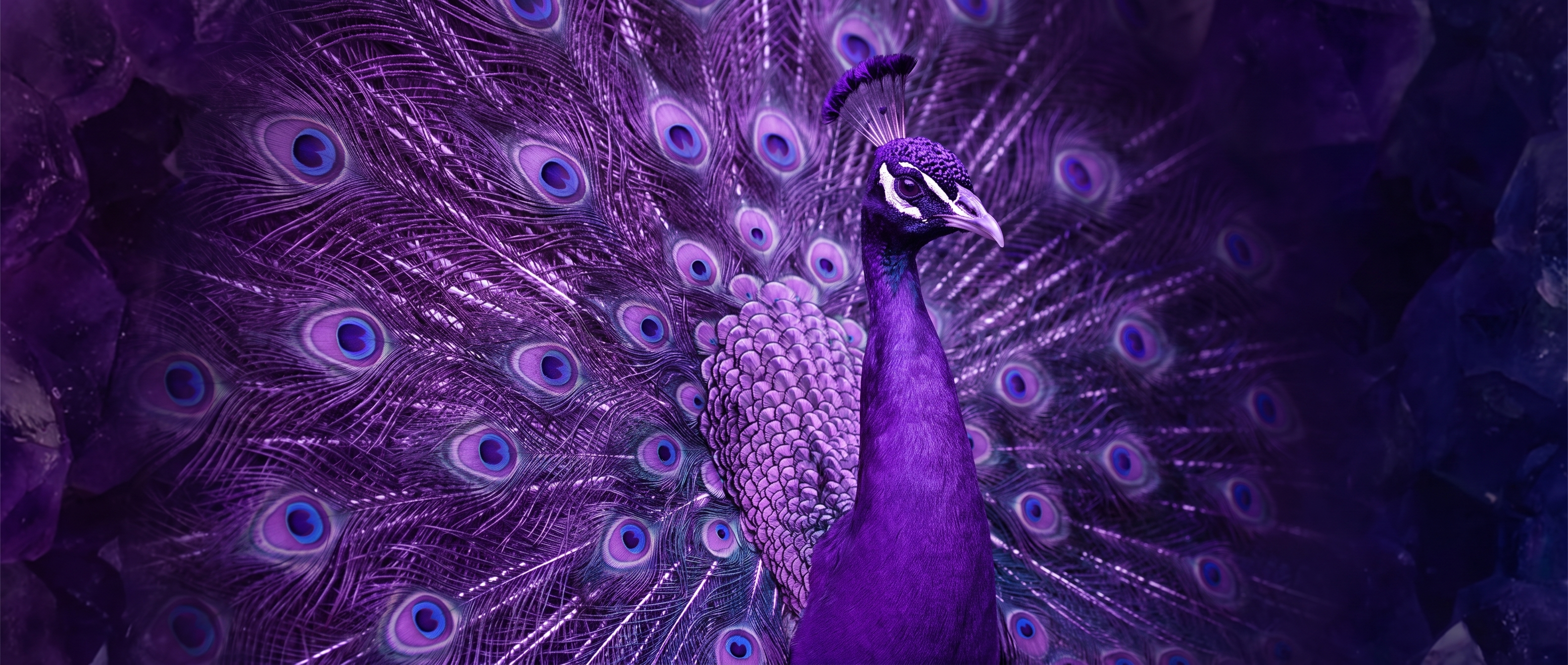
For centuries, Amethyst has carried a reputation for clarity, restraint and a calm mind. Its deep violet colour has long been associated with wisdom and self-control, giving it a character that feels composed rather than forceful.
Closely connected with the Crown Chakra, Amethyst is believed to encourage mental clarity, emotional balance and spiritual awareness. It is often chosen during periods of stress or overthinking as a symbolic reminder to slow the mind and regain perspective.
Its name comes from the Greek amethystos, meaning “not intoxicated,” reflecting the ancient belief that the stone could help protect against excess and poor judgement. That history gives Amethyst a strong connection with discipline, moderation and clear thinking.
In Feng Shui traditions, its rich purple colour is also associated with prosperity, harmony and positive energy, making it a popular stone for both personal wear and the home.
Associated with: Clarity • Calm • Wisdom • Balance • Protection • Awareness • Discipline • Prosperity
Care: Amethyst is relatively durable, but prolonged exposure to strong sunlight or heat may cause its colour to fade. Clean gently with lukewarm water, mild soap and a soft cloth, and avoid harsh chemicals and sudden temperature changes.
* These meanings are based on traditional and metaphysical beliefs.
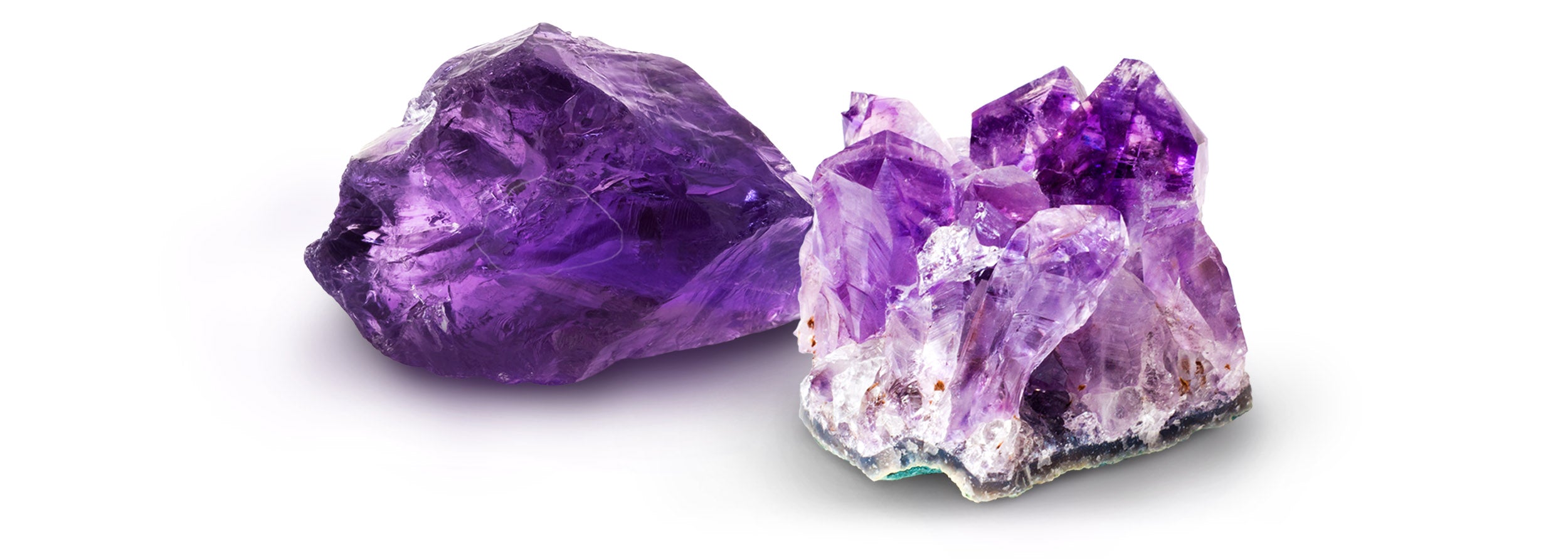
Amethyst as a Semi-Precious Gemstone
Amethyst is a semi-precious gemstone and a purple variety of Quartz, admired for its rich violet colour and natural brilliance. Its purple tones are mainly caused by traces of iron within the crystal structure combined with natural irradiation.
Its colour can range from pale lilac to deep violet and reddish purple, with fine-quality stones often showing strong, even colour and good transparency.
Amethyst has been used in jewellery for thousands of years and remains one of the most recognisable coloured gemstones. It is also the traditional birthstone for February.
With a hardness of 7 on the Mohs scale, Amethyst is durable enough for everyday jewellery while still requiring reasonable care to protect its surface and colour.
Mohs Hardness: 7
Mineral Family: Quartz
Composition: Silicon Dioxide (SiO₂)
Transparency: Transparent to translucent
Lustre: Vitreous
Colours: Pale lilac, violet, deep purple and reddish purple
Distinctive Feature: Natural violet colour caused by iron and irradiation within Quartz
Major Sources: Brazil, Uruguay, Zambia, Madagascar, Russia and South Korea