


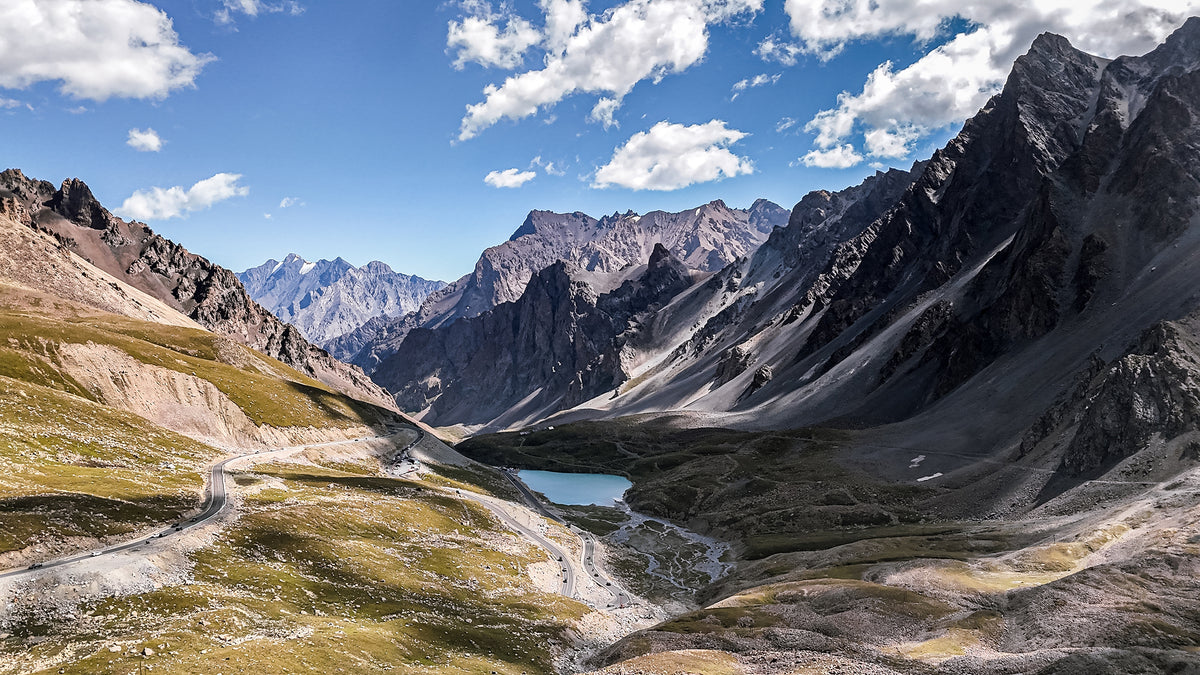
Hetian Jade (和田玉) — China's Timeless Treasure, also known as Hotan Jade, is one of China's most historically treasured forms of Nephrite Jade (软玉). Revered for thousands of years, it symbolises purity, wisdom, virtue, and nobility, once prized by emperors and artisans for its fine texture, exceptional toughness, and delicate lustre.
Traditionally associated with Hotan in Xinjiang, Hetian Jade occurs in eight principal colour categories under China's GB/T 38821—2020 classification, ranging from creamy white and soft green to golden yellow, reddish-brown, and deep black.
In recent years, Hetian Jade has gained renewed attention among collectors and younger generations. Rare, high-quality specimens, particularly fine Mutton-Fat Jade (羊脂白玉) and premium river-worn jade, remain highly sought after and can command exceptional prices.
Today, Hetian Jade continues to embody a remarkable connection between natural beauty, cultural heritage, and enduring craftsmanship.
The Eight Colours of Hetian Jade (和田玉)
Hetian Jade is traditionally classified into eight principal colour varieties, each distinguished by its natural tones, mineral characteristics, and unique beauty.
This provides a smooth transition from your introduction to the eight colour varieties below.
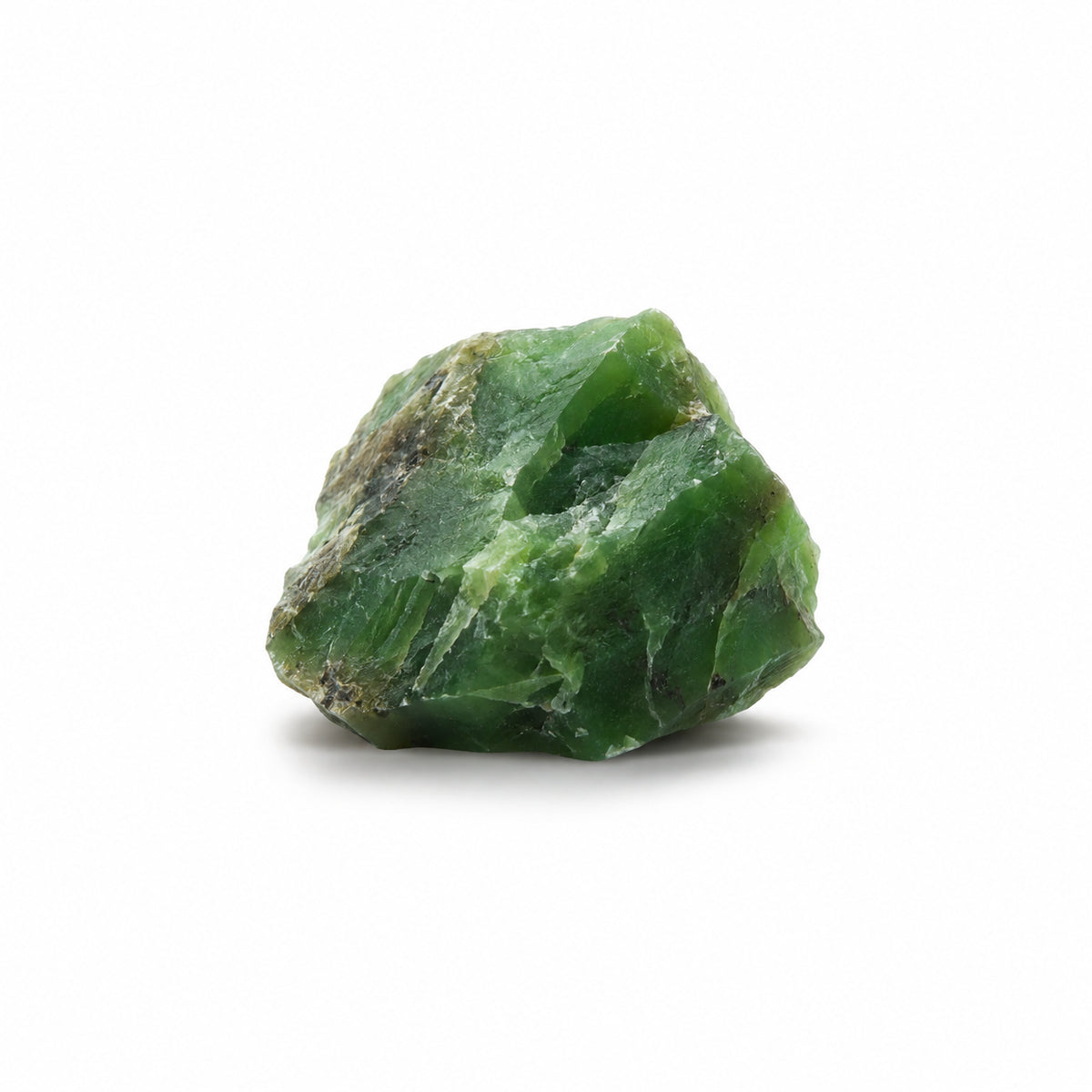
Nephrite Jade — Gemstone Properties
Mohs Hardness: 6–6.5
Mineral Family: Amphibole
Mineral Composition: Tremolite–Actinolite
Toughness: Exceptional
Specific Gravity: Approx. 2.90–3.10
Lustre: Waxy to Vitreous
Transparency: Opaque to Translucent
Common Colours: Green, White, Grey, Black, Yellowish
Major Origins: China, Canada, Russia, New Zealand, Australia
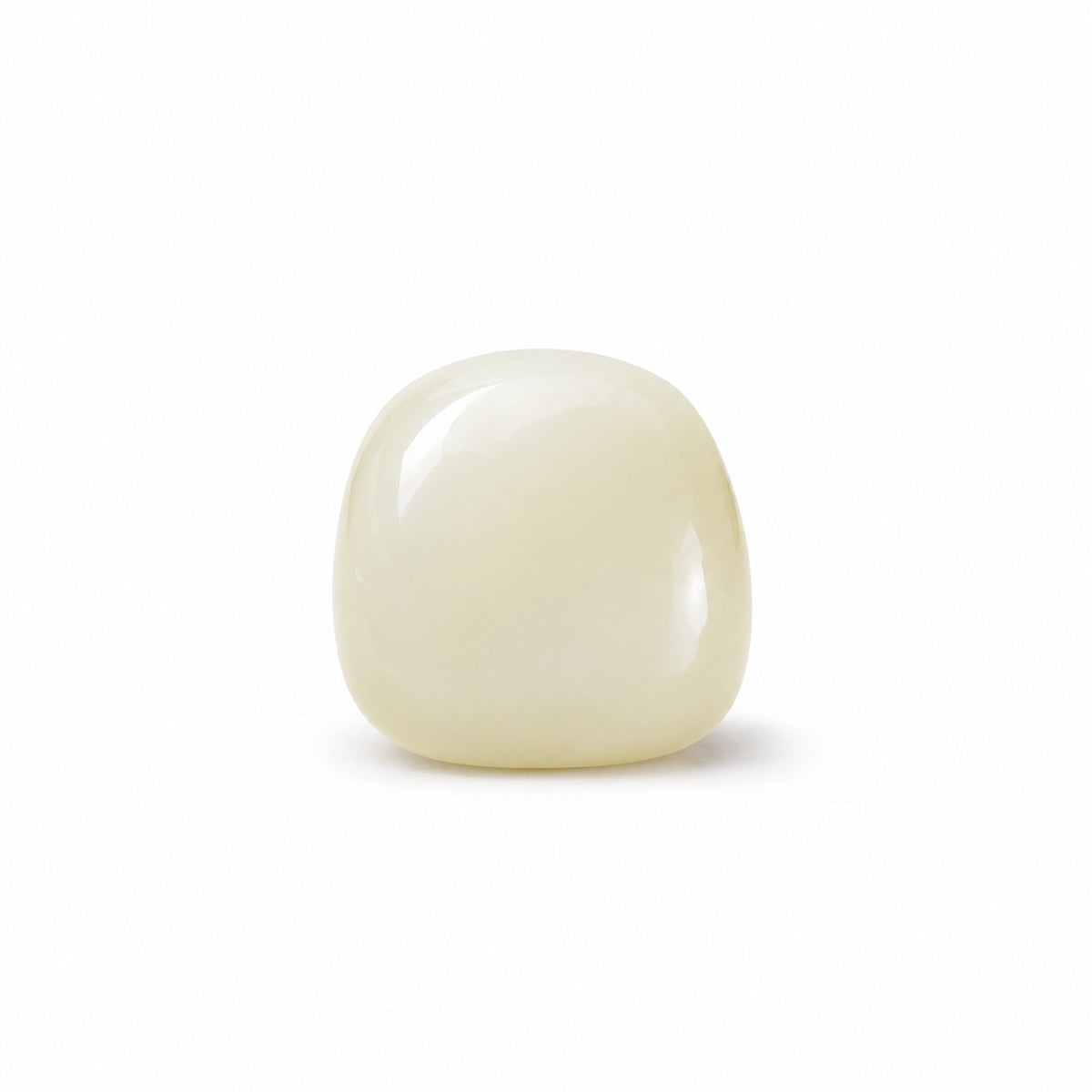
White Jade — 和田白玉
Renowned for its creamy white to ivory tones, White Hetian Jade is among the most celebrated varieties. Particularly prized is Mutton-Fat Jade (羊脂白玉), admired for its exceptionally fine texture, warm translucency and soft, oily lustre. Historically associated with purity and nobility, fine white jade remains highly sought after by collectors.
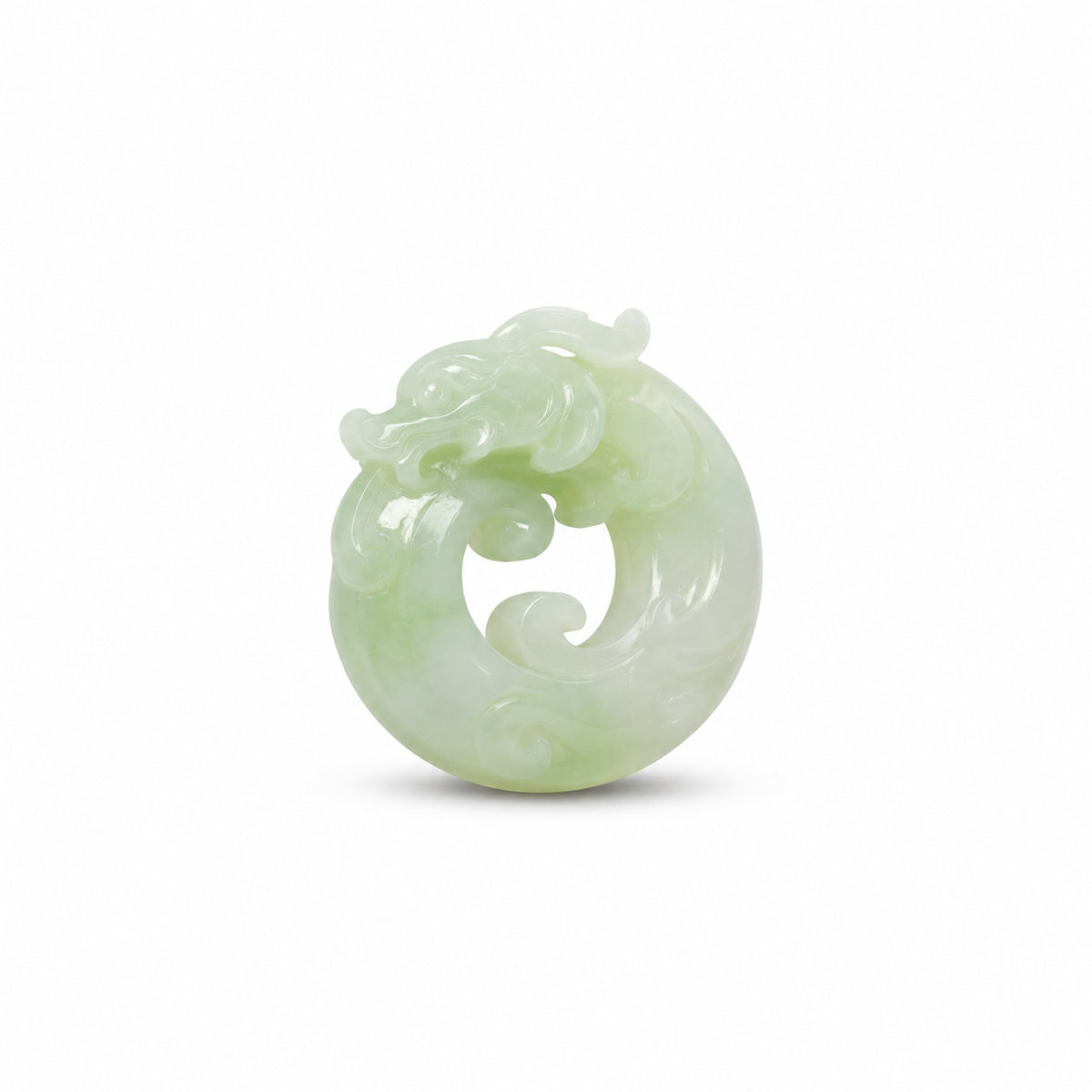
Greenish-White Jade — 青白玉
Characterised by delicate tones between white and pale green, Greenish-White Jade offers a subtle, understated beauty. Its colours may carry soft grey or bluish undertones, creating a gentle, harmonious appearance. Appreciated for its smooth texture and versatility, it has long been used in traditional carvings and jewellery.
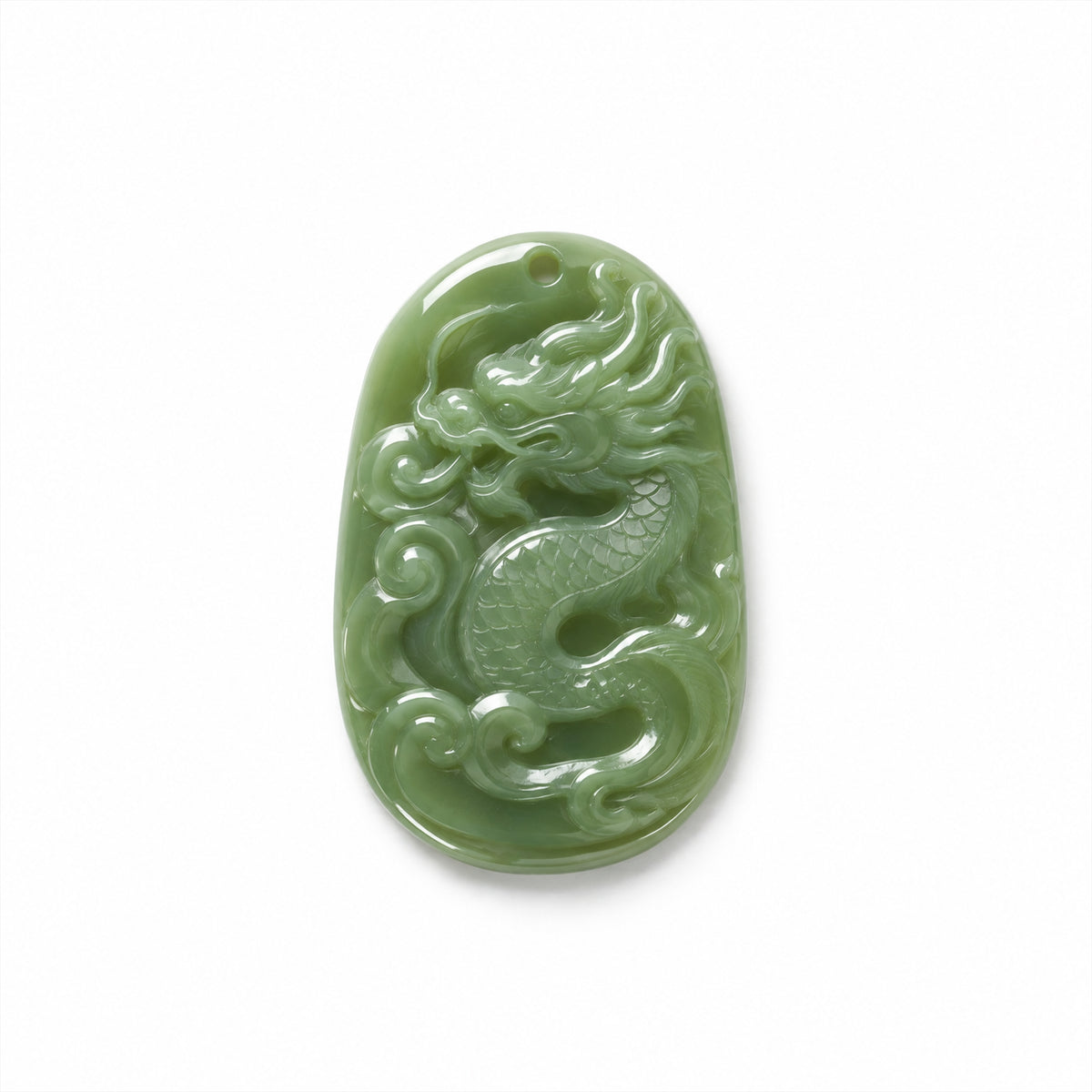
Qing Jade — 青玉
Qing Jade displays a distinctive spectrum of muted grey-green, blue-green and deep olive tones. Its colours are generally more subdued than the vibrant greens of Bi Jade (碧玉), giving it a grounded, sophisticated character. Historically used for carvings, vessels and decorative objects, Qing Jade is admired for its durability and understated elegance.

Green Jade — 碧玉
Known for its rich green palette, Bi Jade ranges from fresh leafy green to deep spinach and forest-green shades. Some specimens contain naturally occurring dark mineral inclusions, creating distinctive patterns within the stone. Fine examples with saturated, even colouring and smooth texture are especially prized for jewellery and ornamental carvings.
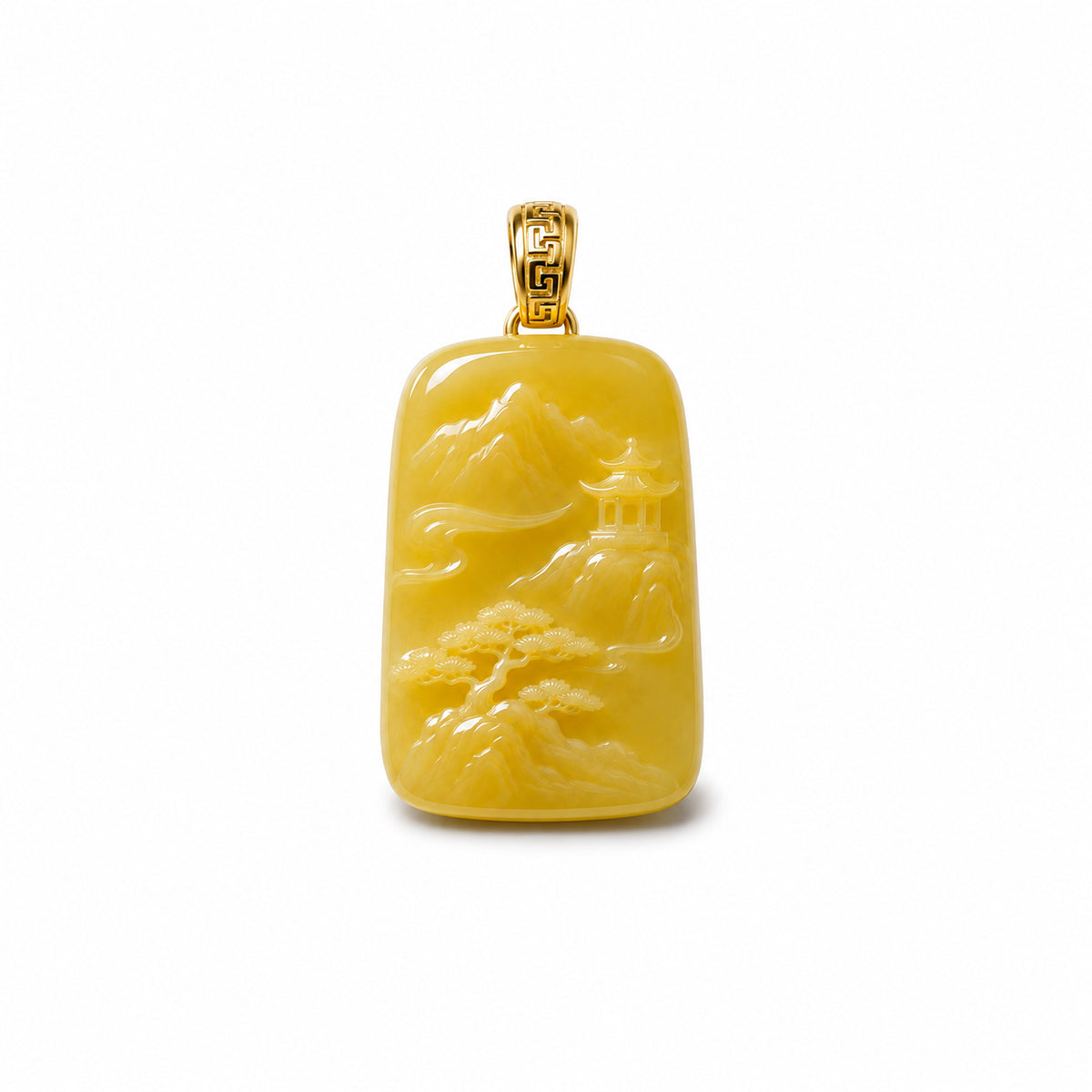
Yellow Jade — 黄玉
Yellow Hetian Jade is admired for its warm, inviting tones, ranging from soft buttery yellow to rich golden hues. Fine specimens with consistent colouring and a delicate, smooth lustre are particularly desirable. Traditionally associated with prosperity, nobility and abundance, Yellow Jade has long held a special place in Chinese jade culture.
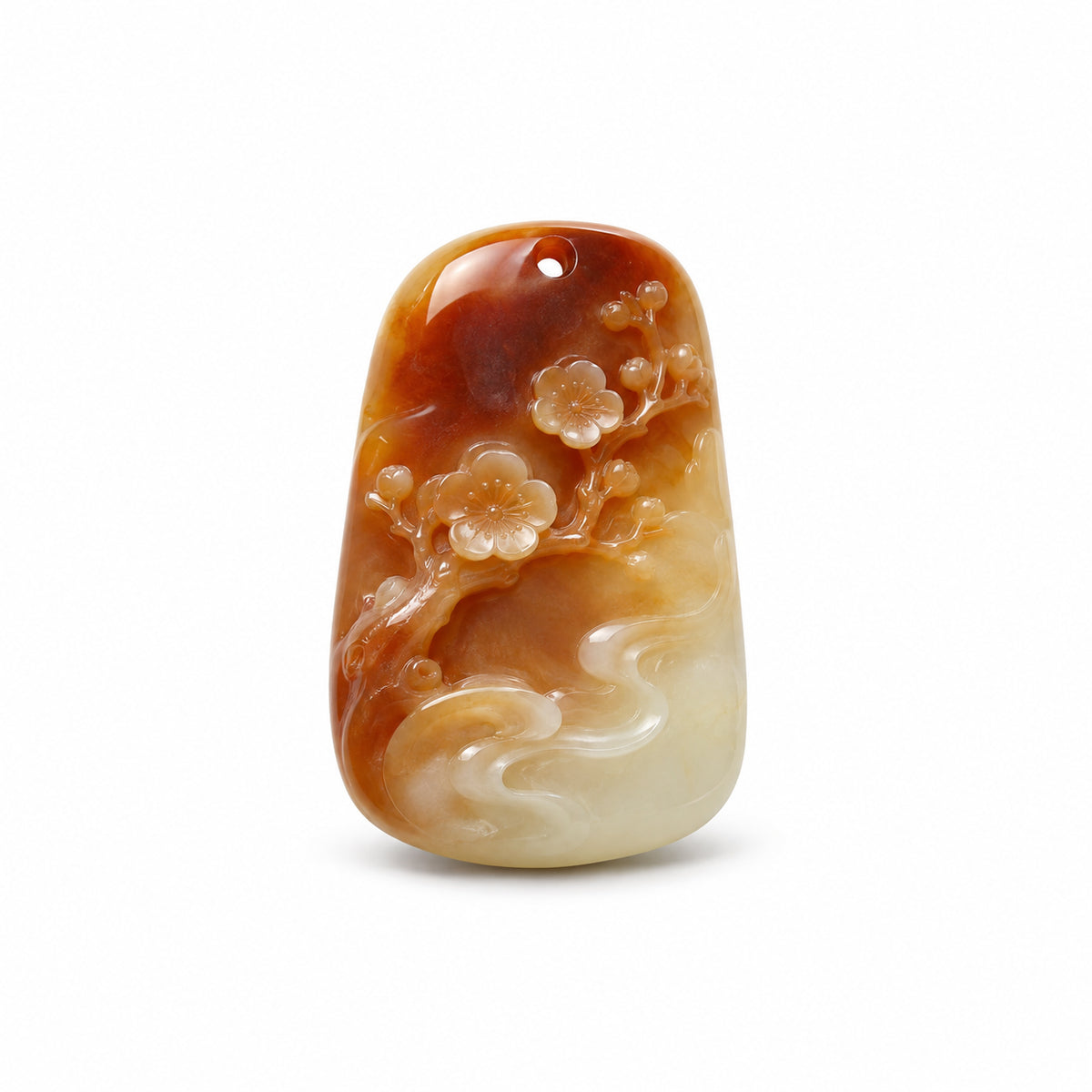
Sugar Jade — 糖玉
Named for its resemblance to caramelised sugar, Sugar Jade displays warm shades of honey, cinnamon, reddish-brown and deep caramel. Its characteristic colouring is commonly associated with iron-related staining during natural geological processes. Some specimens feature beautiful contrasts between creamy white and rich brown areas, creating distinctive patterns highly appreciated in artistic jade carvings.
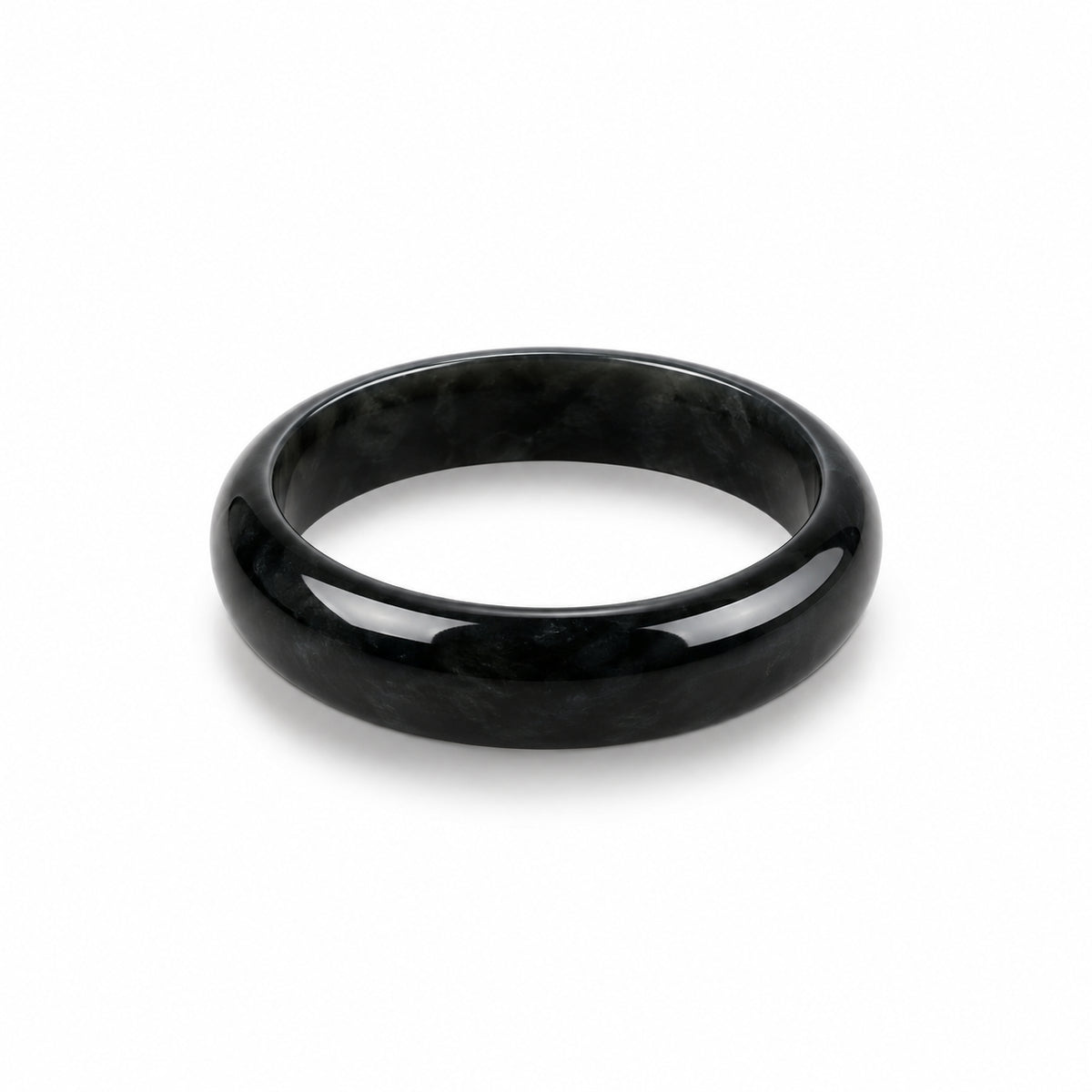
Black Jade — 墨玉
Black Hetian Jade is distinguished by its deep charcoal, smoky grey and near-black appearance. Its dark colour is often associated with finely distributed graphite inclusions within the nephrite. Depending on the material and lighting, subtle greenish or grey undertones may become visible. Traditionally associated with strength and protection, Black Jade possesses a bold, understated elegance.
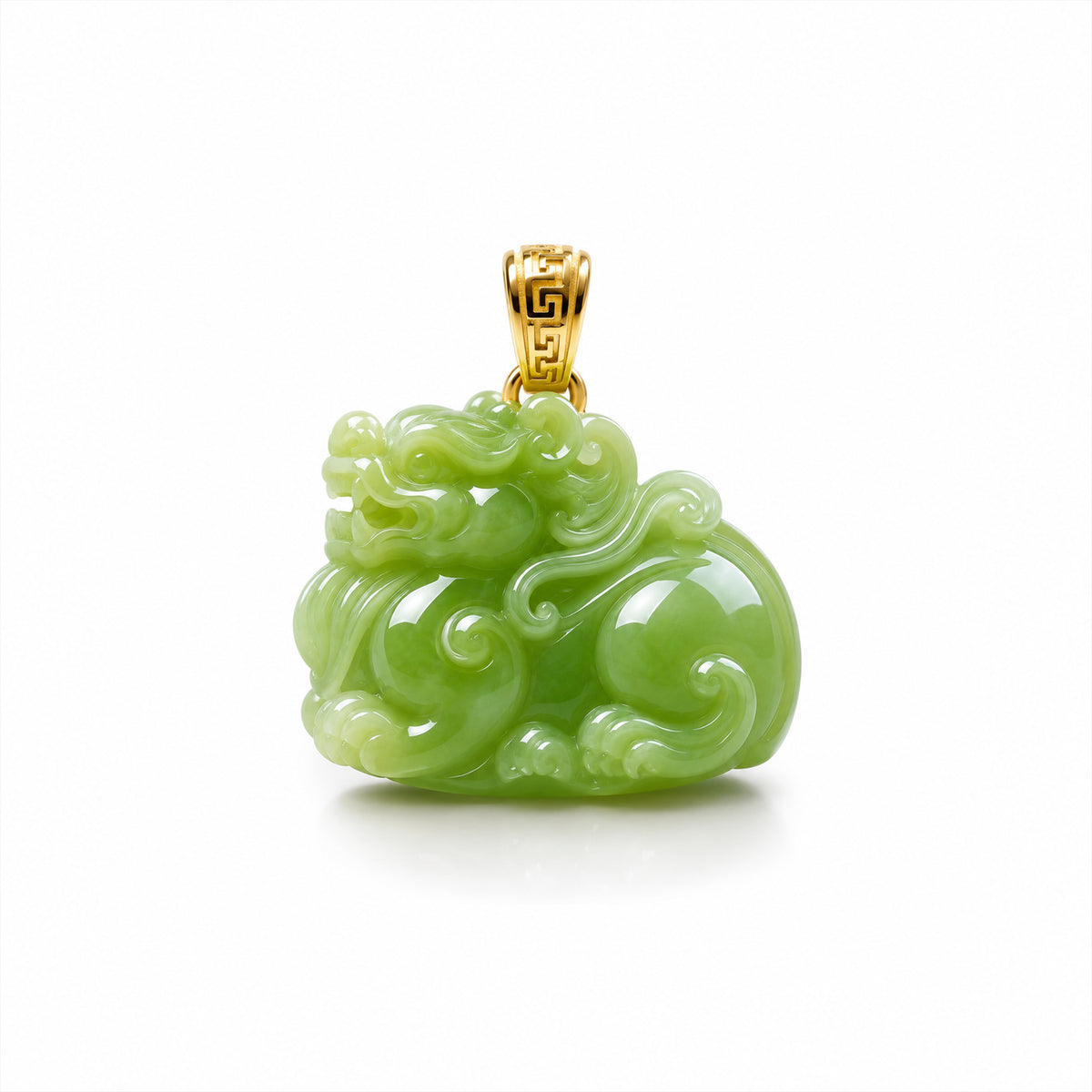
Cui-Green Jade — 翠青玉
Cui-Green Jade is celebrated for its fresh, vibrant green tones, often appearing against a pale white or greenish-white background. Its striking colour combinations give it a distinctive appearance that differs from the deeper greens of Bi Jade. Particularly attractive specimens exhibit well-defined green areas, delicate translucency and a refined texture.
Other Notable Varieties of Hetian Jade
Beyond the eight principal colour classifications, Hetian Jade is also recognised through distinctive regional varieties, natural patterns, and traditional trade names.
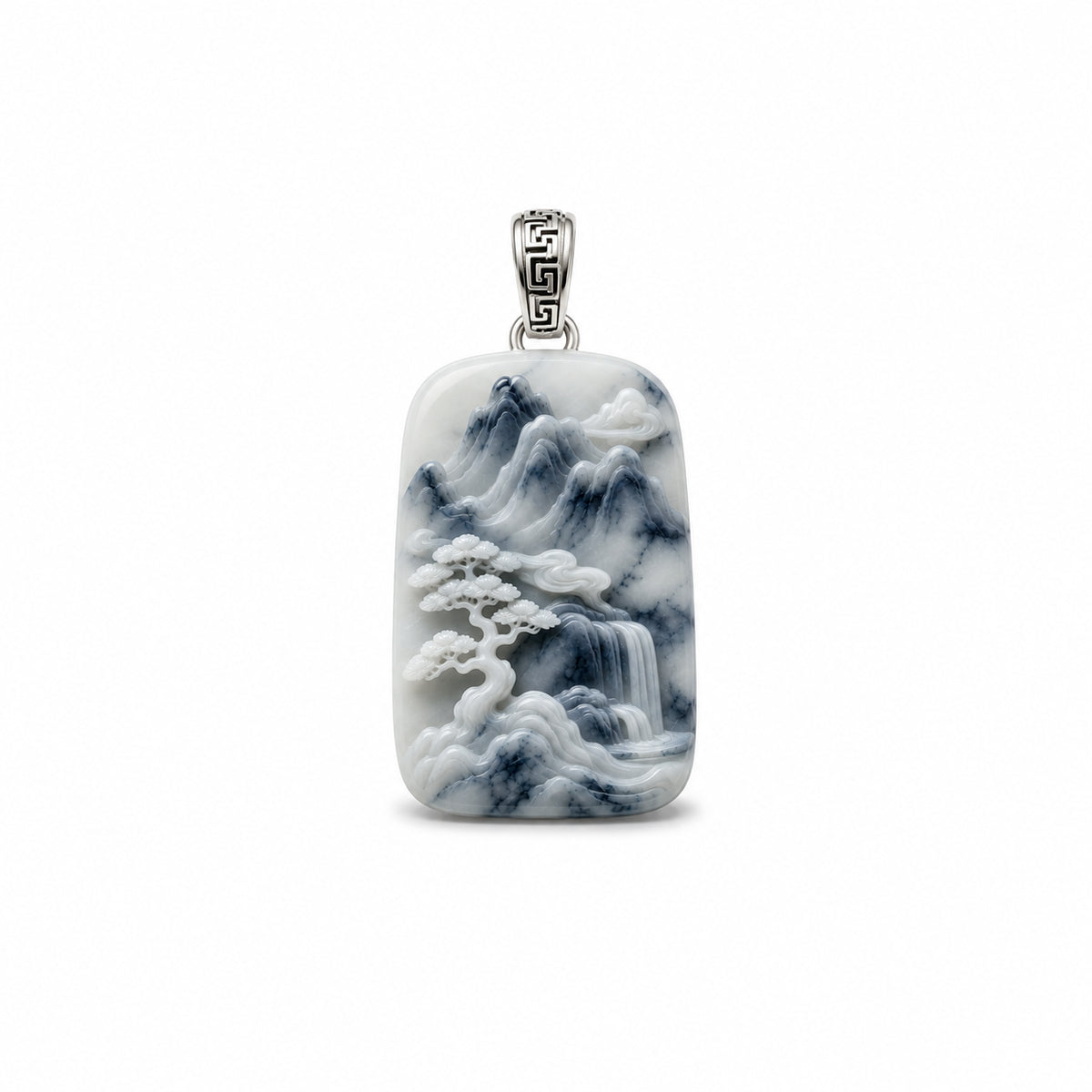
Qinghua Jade — 青花玉
Qinghua Jade is admired for its striking contrast of black, grey, and white, reminiscent of traditional Chinese ink-wash paintings.
Its distinctive patterns are formed by naturally distributed graphite inclusions within nephrite, creating flowing, cloud-like formations. Each piece displays a unique composition, making Qinghua Jade particularly appealing for artistic carvings and collectors who appreciate natural individuality.
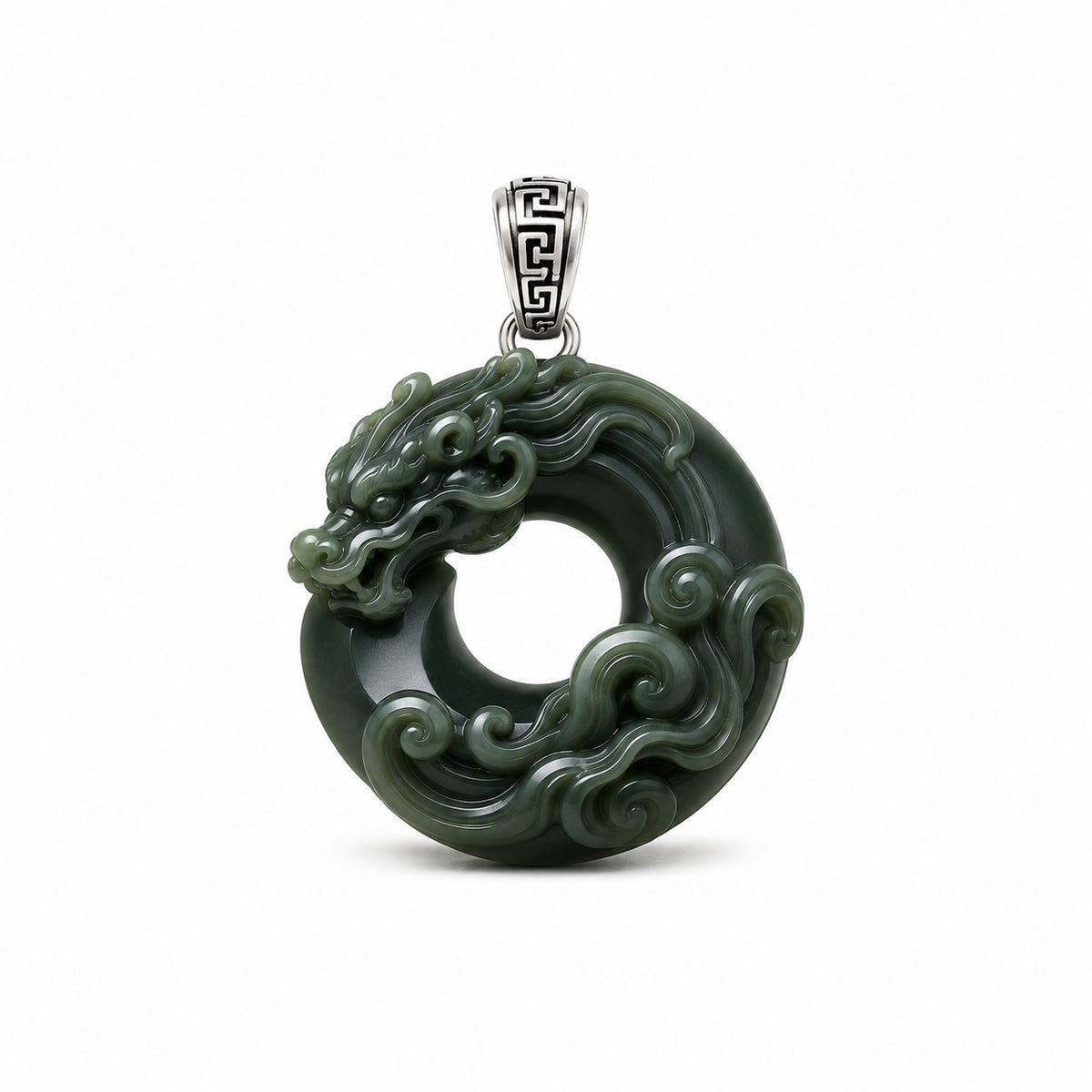
Taqing Jade — 塔青玉
Originating from the Taxkorgan region of Xinjiang, China, Taqing Jade is a distinctive variety of dark Qing Jade, admired for its deep green to nearly black appearance.
Renowned for its fine, compact texture and smooth, oily lustre, quality Taqing Jade is especially appreciated by collectors and artisans. Under strong transmitted light, some specimens reveal subtle green undertones beneath their dark exterior.
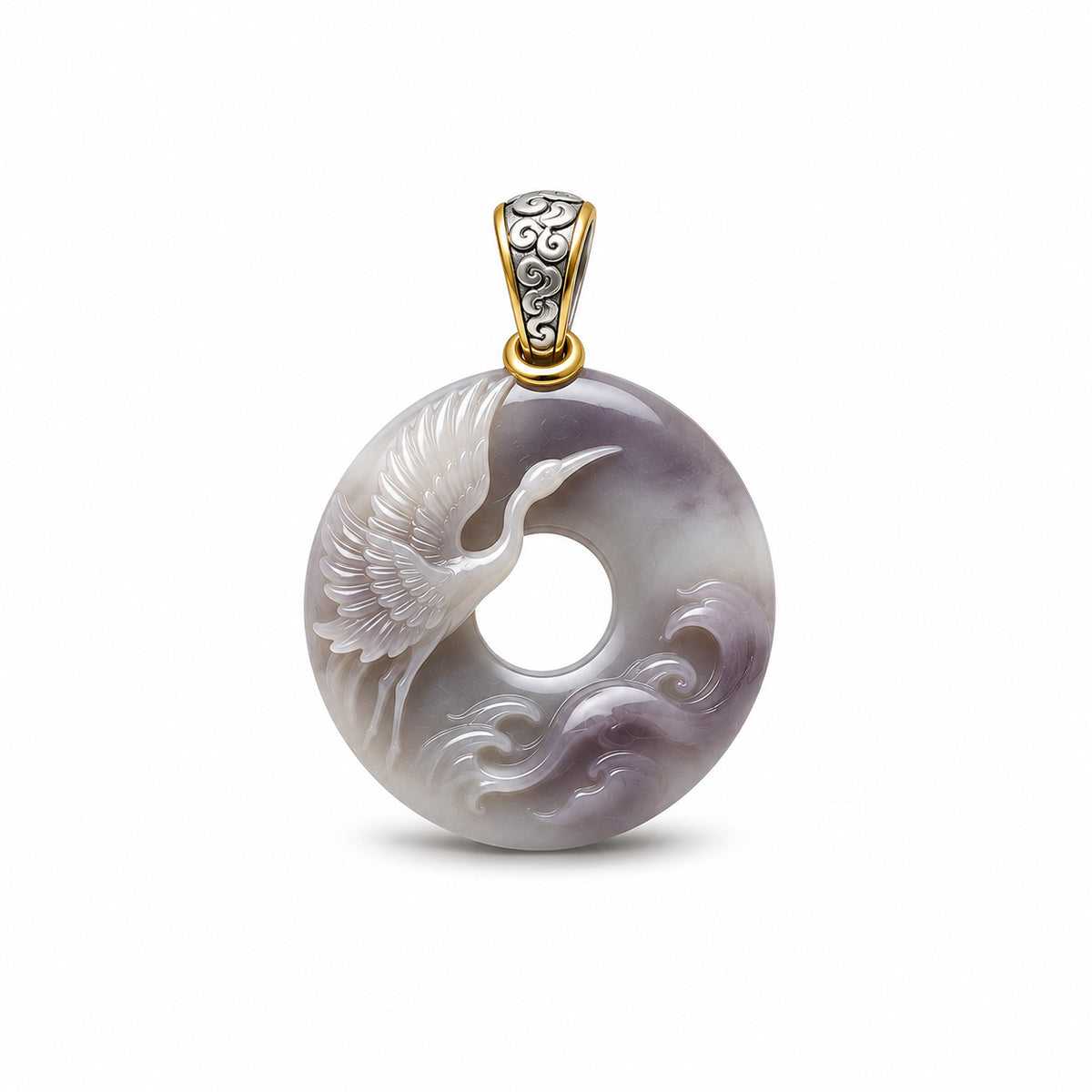
Smoky Qing Jade — 烟青玉
Smoky Qing Jade is distinguished by its unusual spectrum of smoky grey, muted lavender, and greyish-purple tones.
Frequently associated with nephrite from Qinghai, China, its subtle colours create an elegant, understated appearance. Some specimens display gentle transitions between pale grey and deeper smoky shades, making them particularly attractive for contemporary jewellery and artistic carvings.