


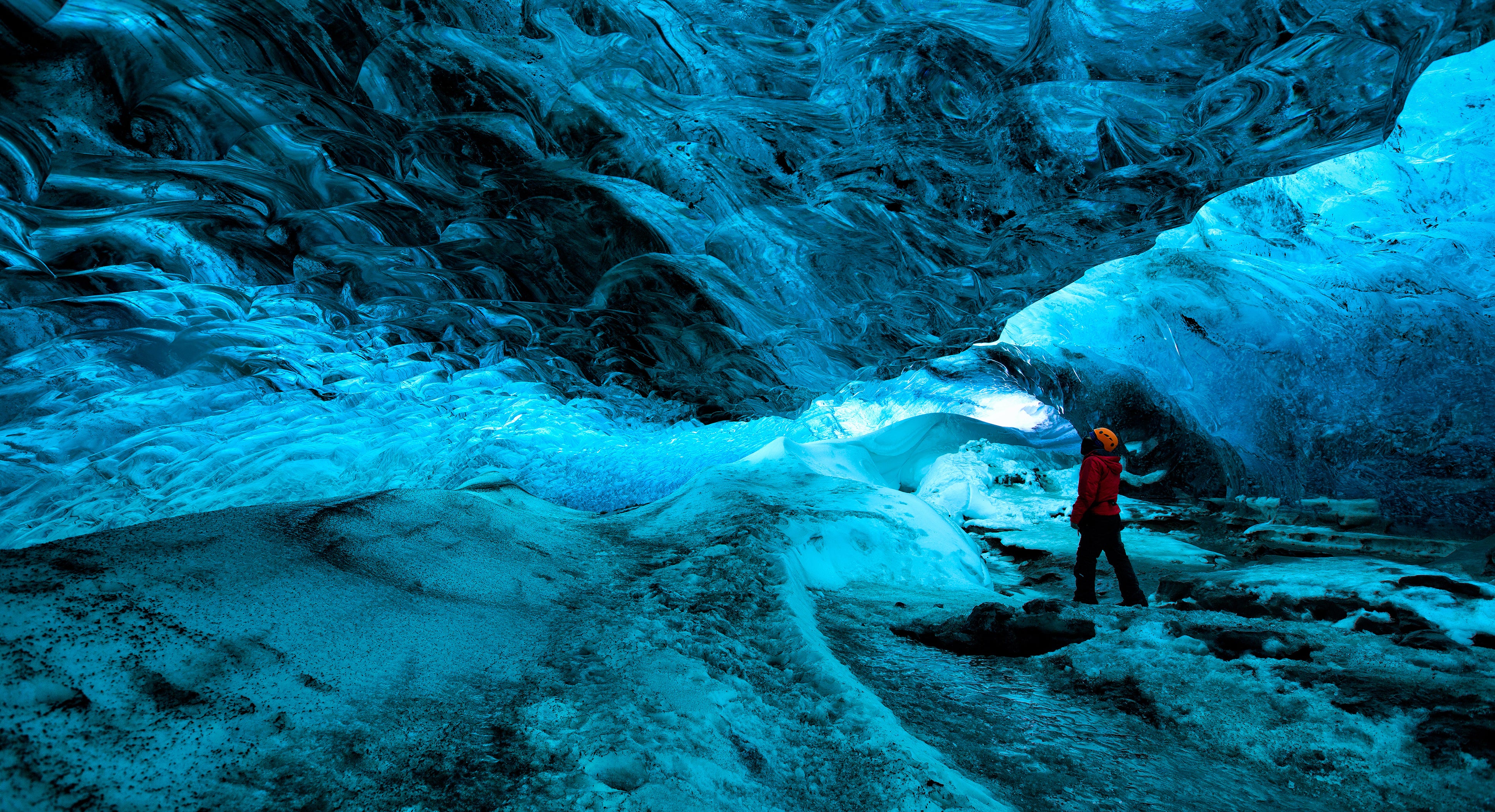
Quartz is one of the most abundant and diverse minerals on Earth, celebrated for its extraordinary range of colours, crystalline formations and distinctive natural inclusions.
Composed primarily of silicon dioxide (SiO₂), Quartz occurs in a remarkable variety of forms, from transparent, well-defined crystals to finely crystalline gemstones displaying intricate bands, patterns and textures.
Its exceptional diversity results from variations in its chemical composition, trace elements, natural irradiation, mineral inclusions and geological conditions during formation.
Pure Quartz is naturally colourless and transparent. However, the presence of elements such as iron, together with structural changes and natural mineral inclusions, can produce an extraordinary spectrum of colours and optical characteristics. These natural variations give rise to gemstones such as Amethyst, Citrine, Rose Quartz, Smoky Quartz and many other distinctive varieties.
Throughout history, Quartz has been treasured by civilisations for its beauty, durability and cultural significance. Ancient societies used it in jewellery, carvings, ceremonial objects and decorative artefacts, while its unique physical properties continue to make it valuable in modern science and technology.
From the golden needles suspended within Rutilated Quartz to the intricate growth formations preserved inside Phantom Quartz, each variety reveals a different chapter of the Earth's geological history.
Tourmaline as a Semi-Precious Gemstone
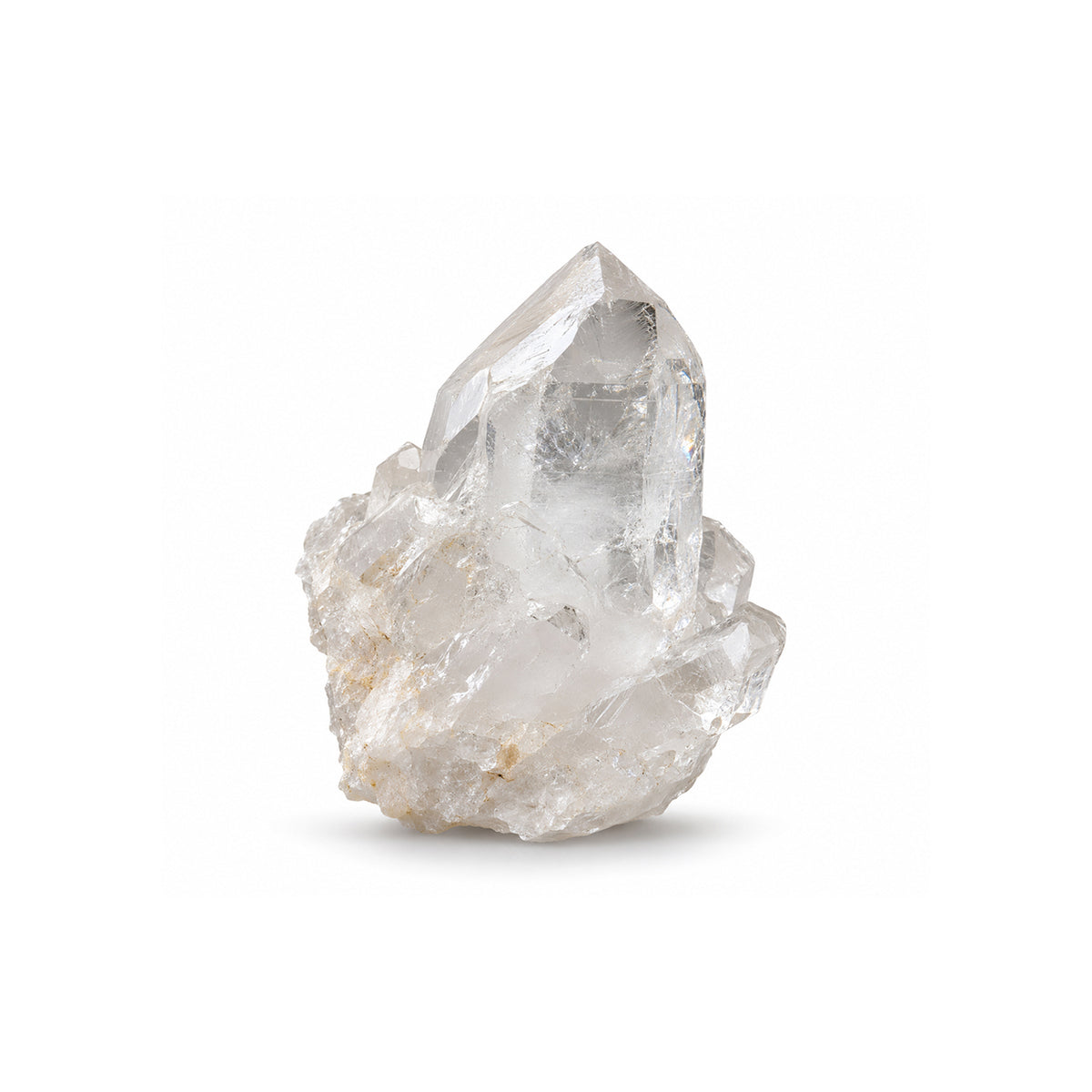
With a hardness of approximately 7 on the Mohs scale, Quartz is relatively resistant to scratching and well suited for jewellery. Its natural durability, extraordinary diversity and individual character make it one of the most enduring gemstone families in the world.
Mohs Hardness: 7
Mineral Family: Quartz
Mineral Classification: Silicate
Chemical Composition: Silicon Dioxide (SiO₂)
Crystal System: Trigonal
Crystal Habit: Commonly hexagonal prismatic crystals
Transparency: Transparent to opaque
Lustre: Vitreous to waxy, depending on variety
Refractive Index: Approximately 1.544–1.553 for crystalline Quartz
Specific Gravity: Approximately 2.65
Cleavage: None
Fracture: Conchoidal
Typical Colours: Colourless, white, purple, pink, yellow, brown, green, grey and multicolour
Optical Phenomena: Chatoyancy and aventurescence in certain varieties
Major Sources: Brazil, Madagascar, India, China, Uruguay, Sri Lanka, Russia and the United States
Varieties of Quartz
Quartz can be broadly divided into two categories: macrocrystalline Quartz, in which individual crystals are visible, and microcrystalline Quartz, which consists of microscopic crystalline structures. Both categories offer extraordinary diversity in colour, texture and natural formation.
Clear Quartz — Rock Crystal
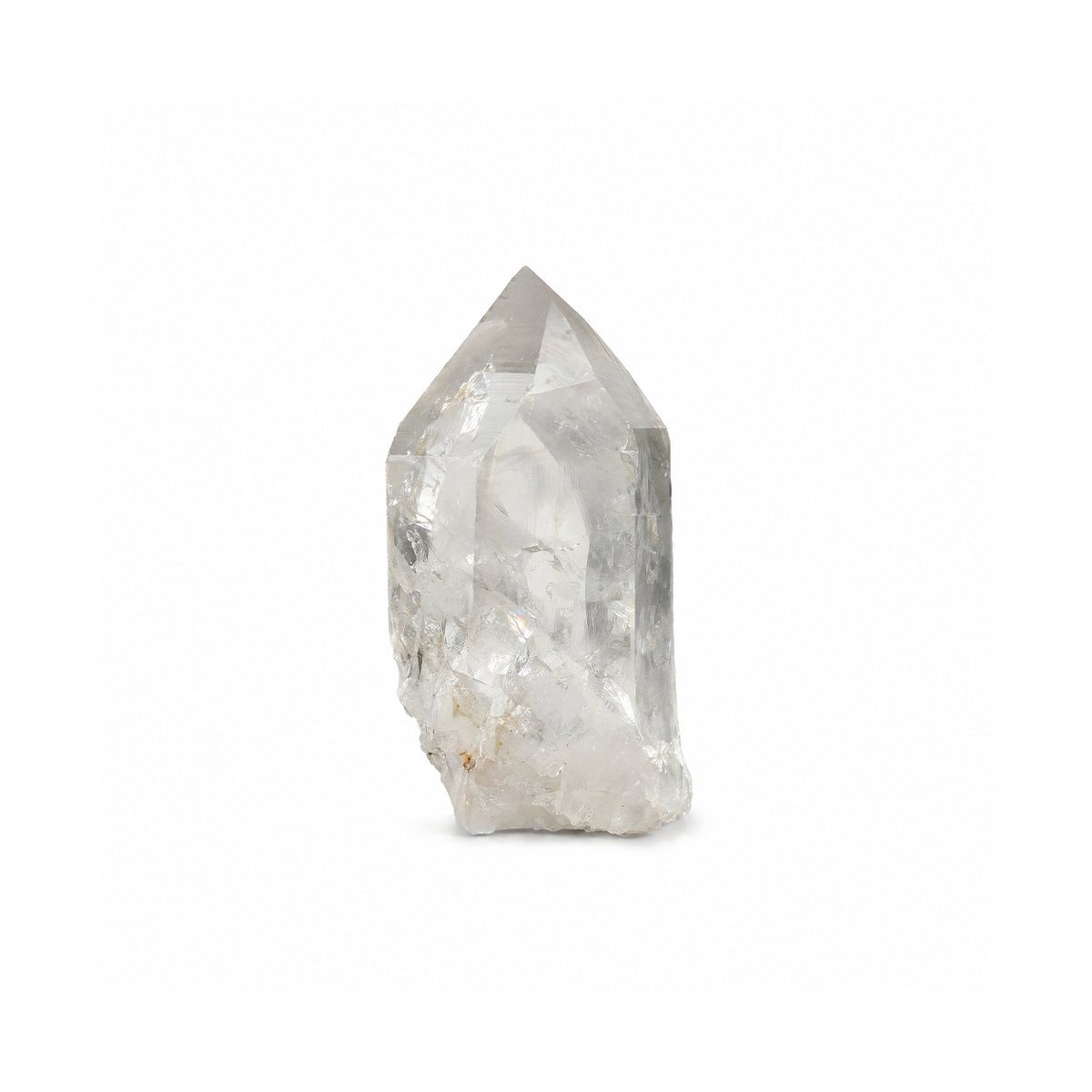
The colourless and transparent variety of Quartz, admired for its clarity, natural crystalline geometry and glass-like lustre. Historically, Rock Crystal was used in decorative objects, carvings and crystal ornaments.
Symbolism: Clarity, focus and balance.
Amethyst
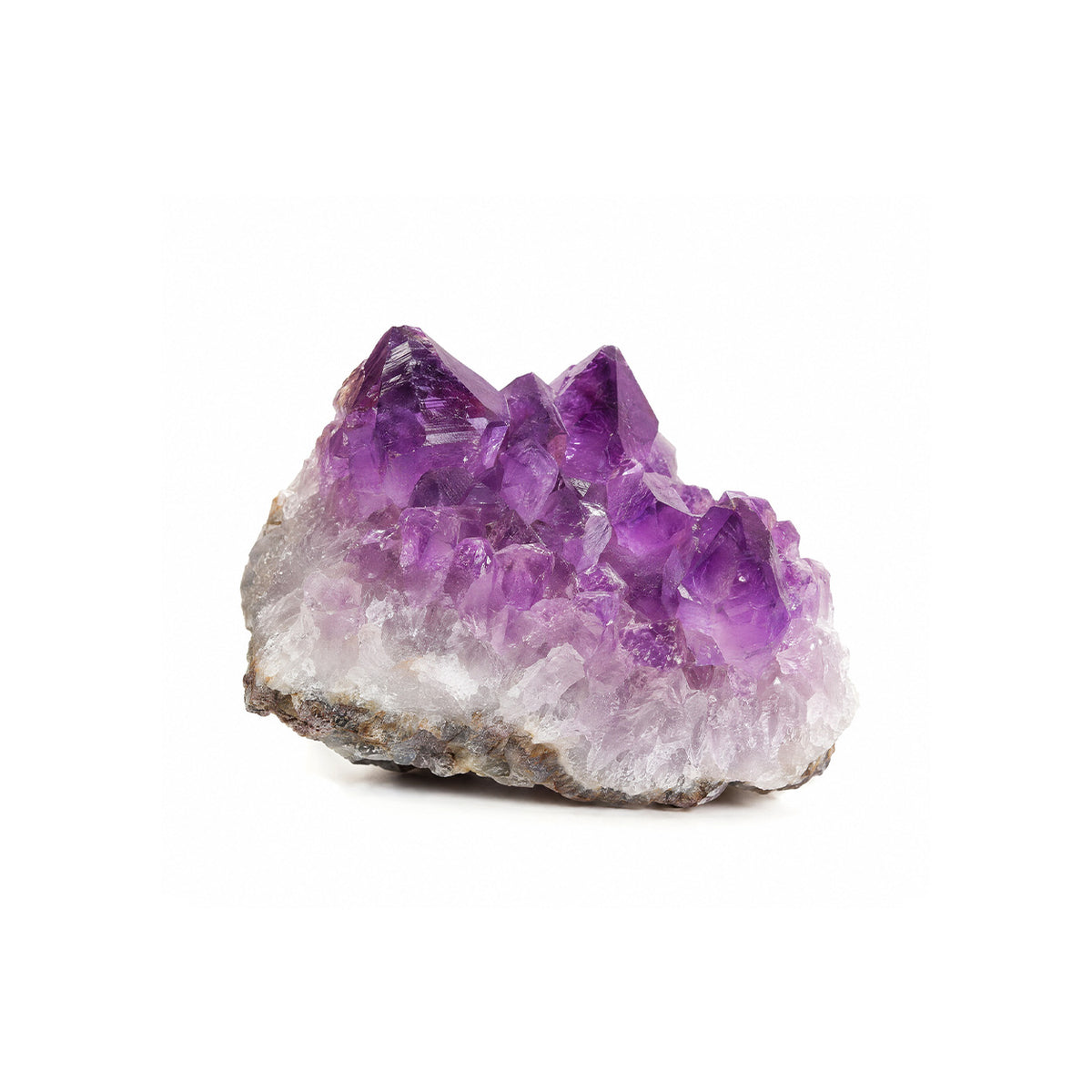
The purple variety of Quartz, displaying colours ranging from delicate lavender to deep violet. Its colour develops through the presence of iron-related impurities and natural irradiation.
Symbolism: Tranquillity, wisdom and emotional balance.
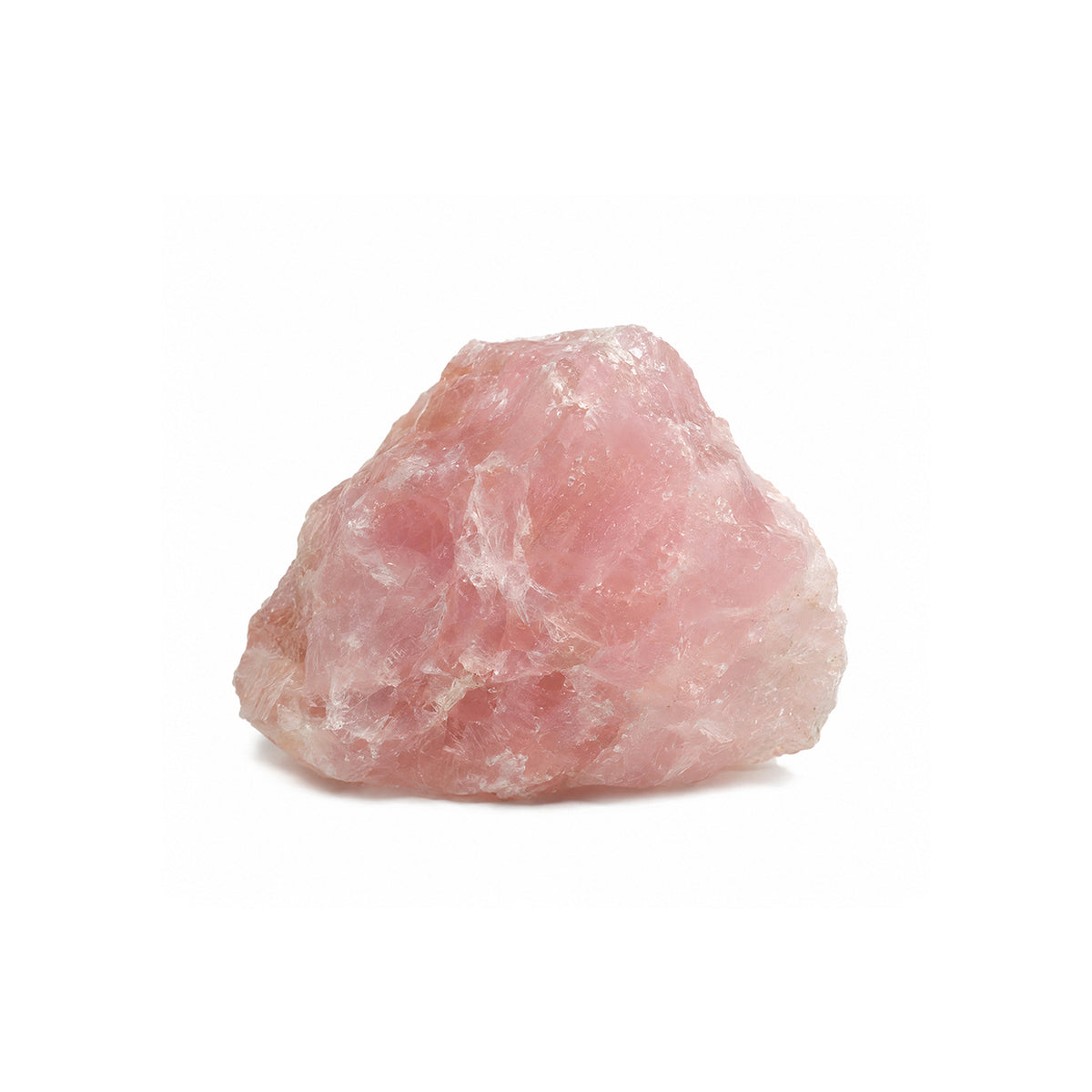
Rose Quartz
Recognised for its soft pink to rose-coloured appearance, Rose Quartz is commonly translucent and occurs in massive formations. Its delicate colour is associated with microscopic mineral inclusions.
Symbolism: Love, compassion and self-acceptance.
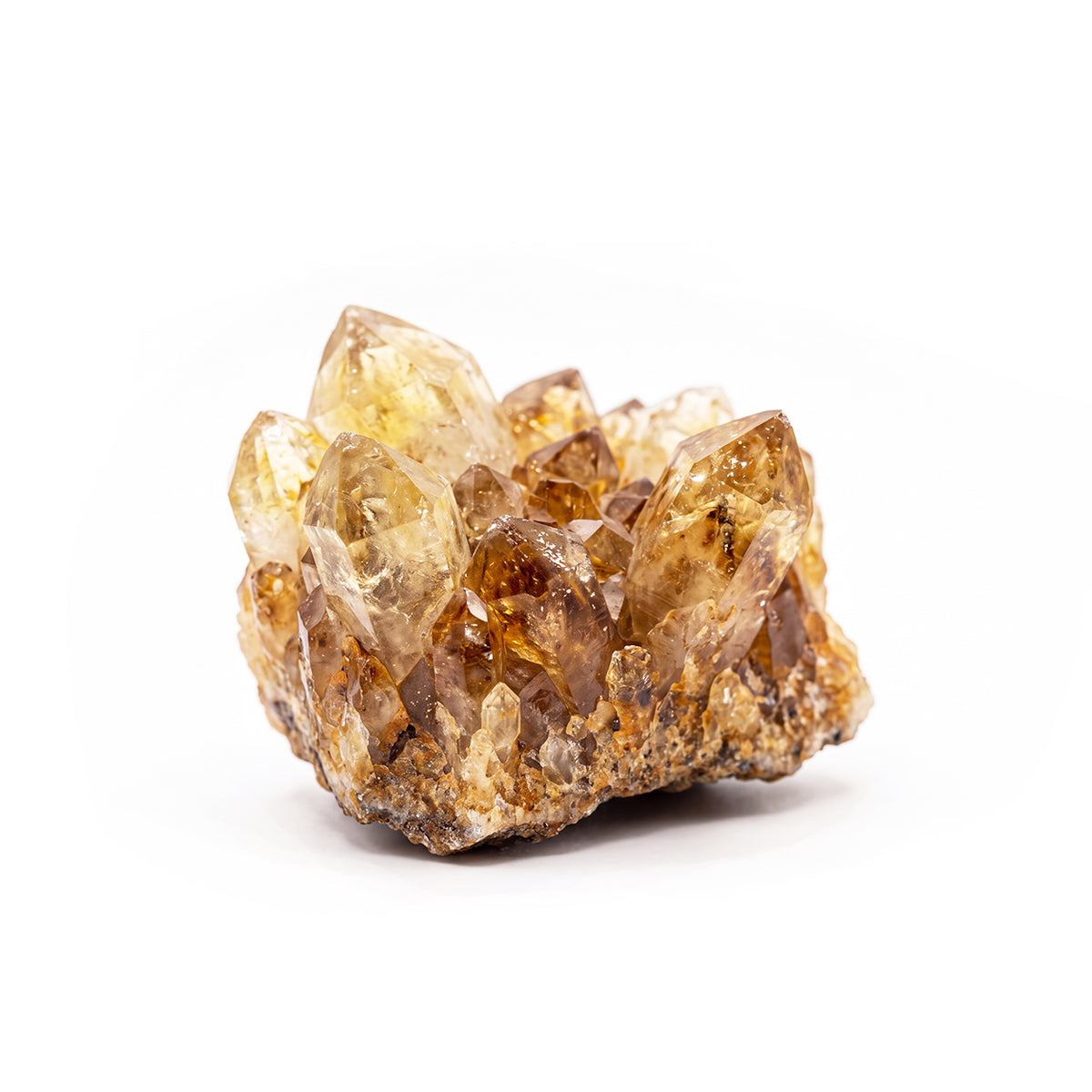
Citrine
The yellow to brownish-orange variety of Quartz, valued for its warm golden hues. Naturally coloured Citrine is relatively uncommon, and much of the Citrine available commercially is produced through heat treatment of Amethyst.
Symbolism: Optimism, confidence and abundance.
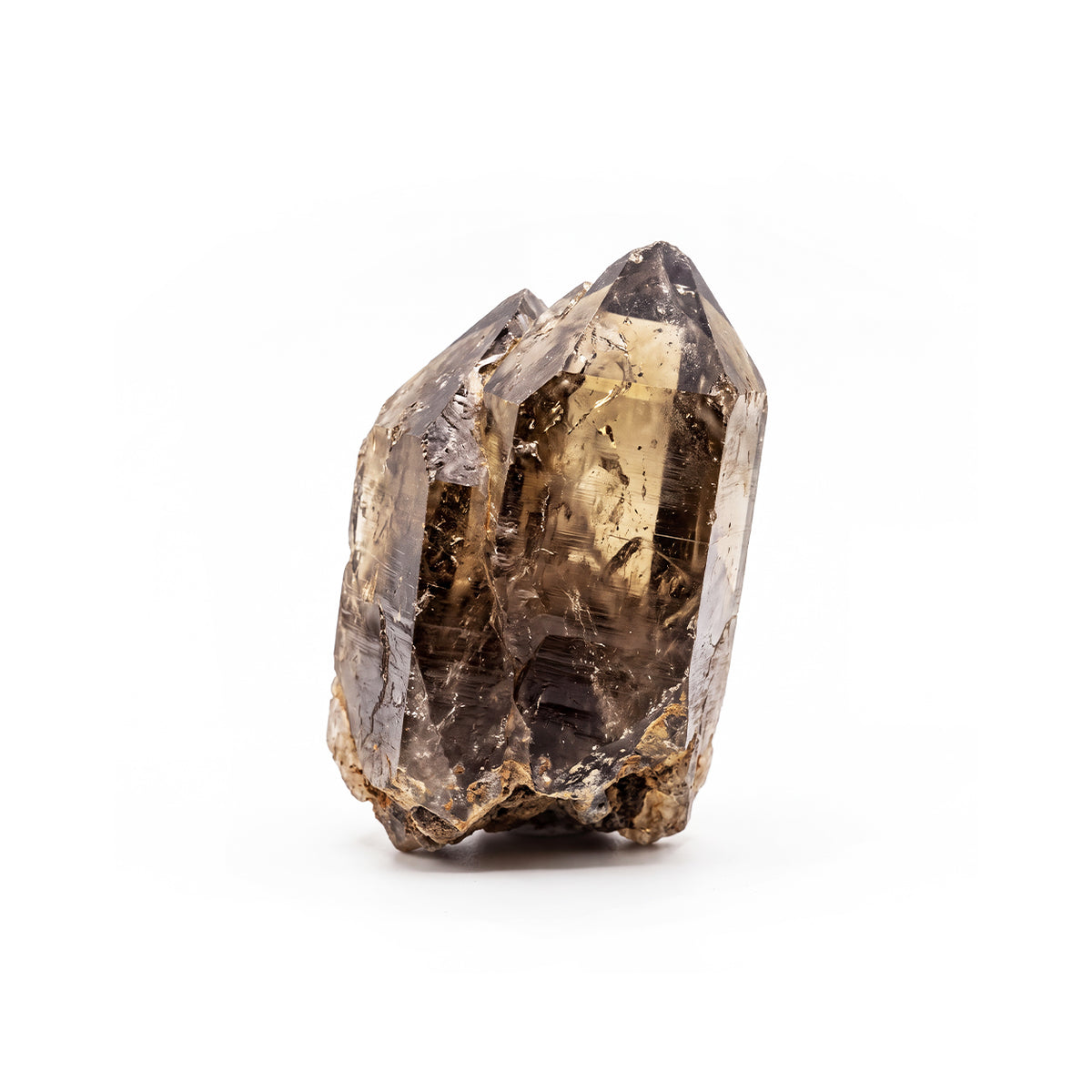
Smoky Quartz
A transparent to translucent Quartz variety ranging from pale smoky grey to rich brown and nearly black. Its colour is associated with aluminium-related defects in the crystal structure and natural irradiation.
Symbolism: Grounding, stability and resilience.
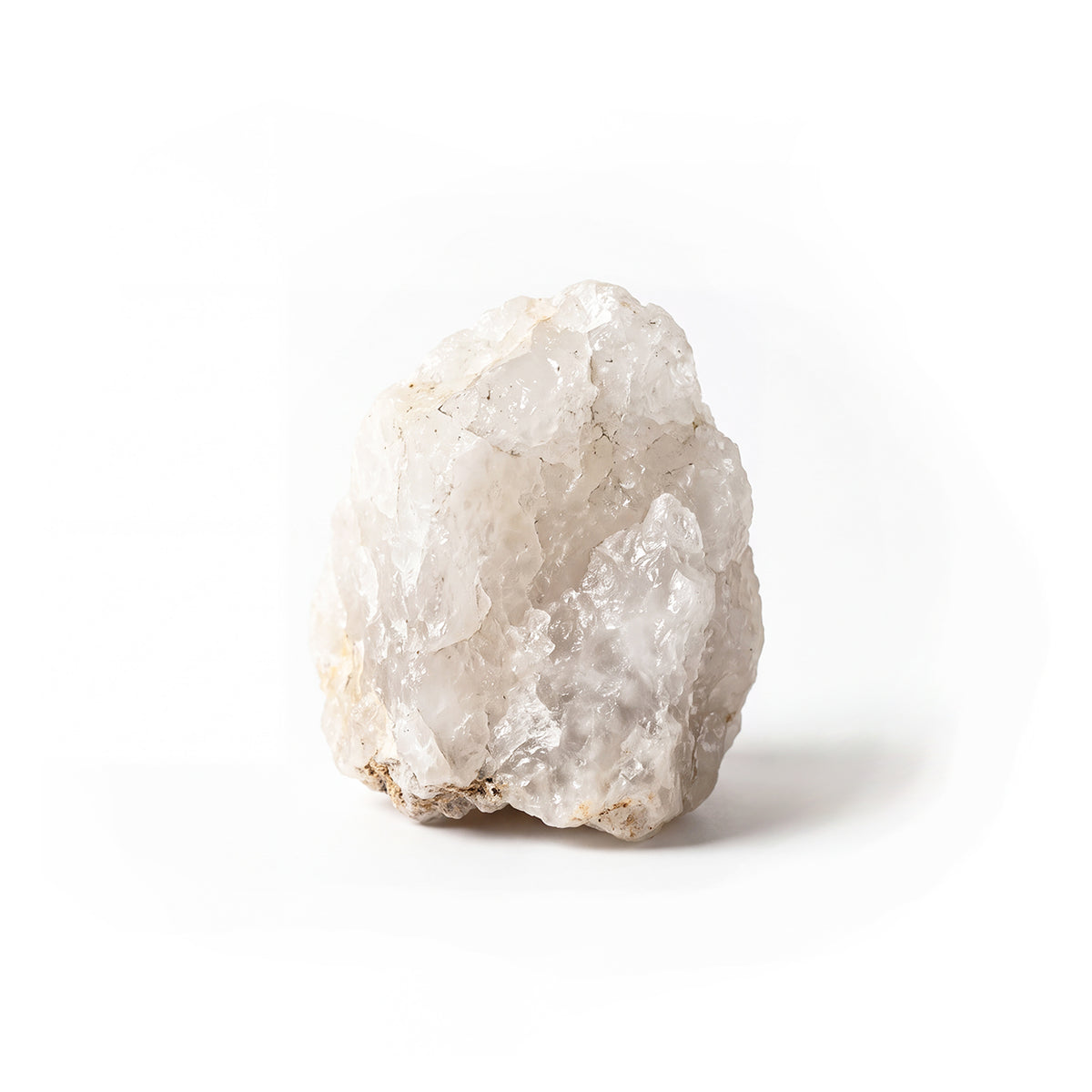
Milky Quartz
A white to cloudy variety of Quartz whose appearance commonly results from microscopic fluid or gas inclusions that scatter light within the crystal.
Symbolism: Simplicity, serenity and harmony.
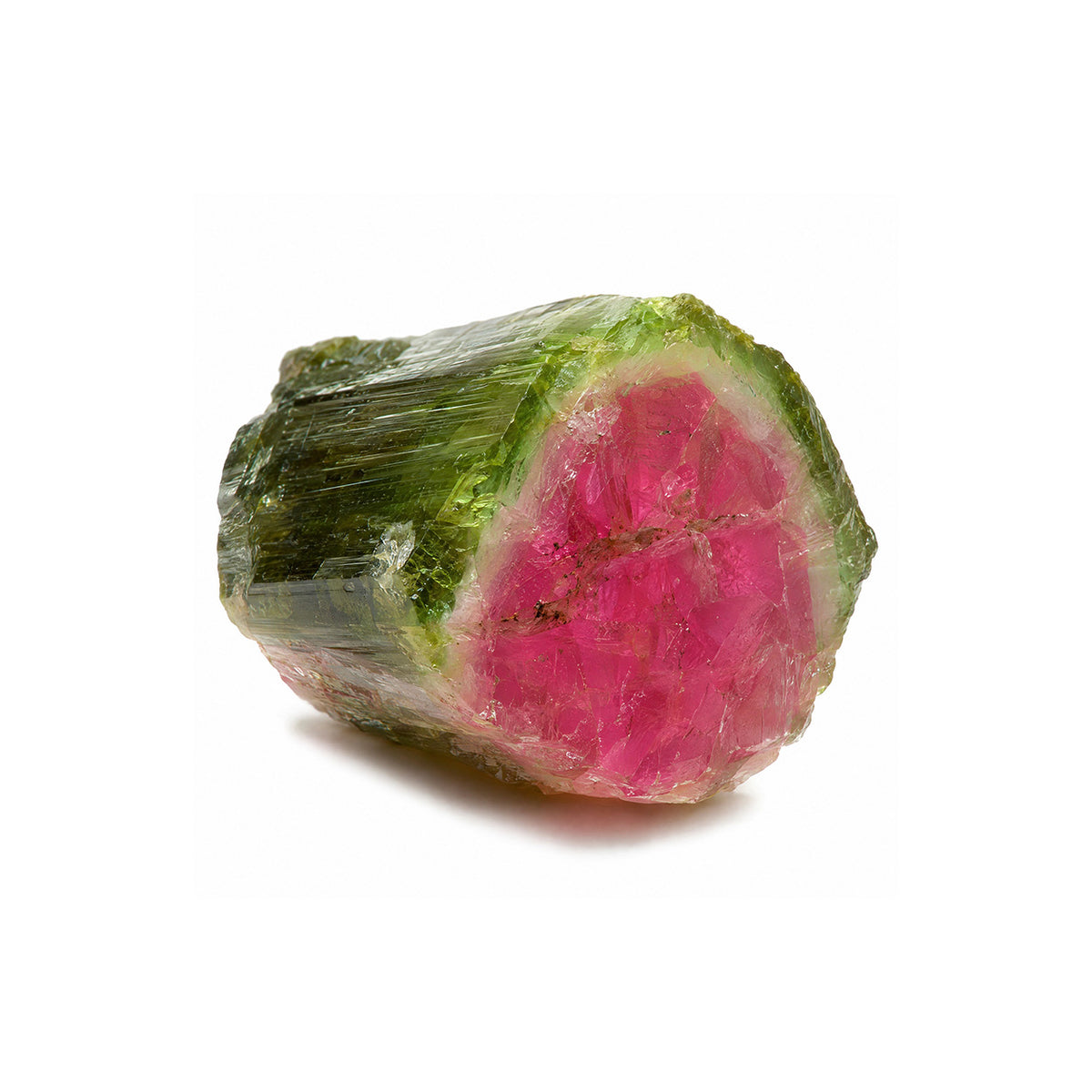
Watermelon Tourmaline
An extraordinary colour-zoned variety featuring a pink or red centre surrounded by a green outer layer. Its distinctive appearance develops naturally during crystal growth.
Symbolism: Harmony, individuality, joy and emotional balance.
Quartz with Natural Inclusions & Distinctive Formations
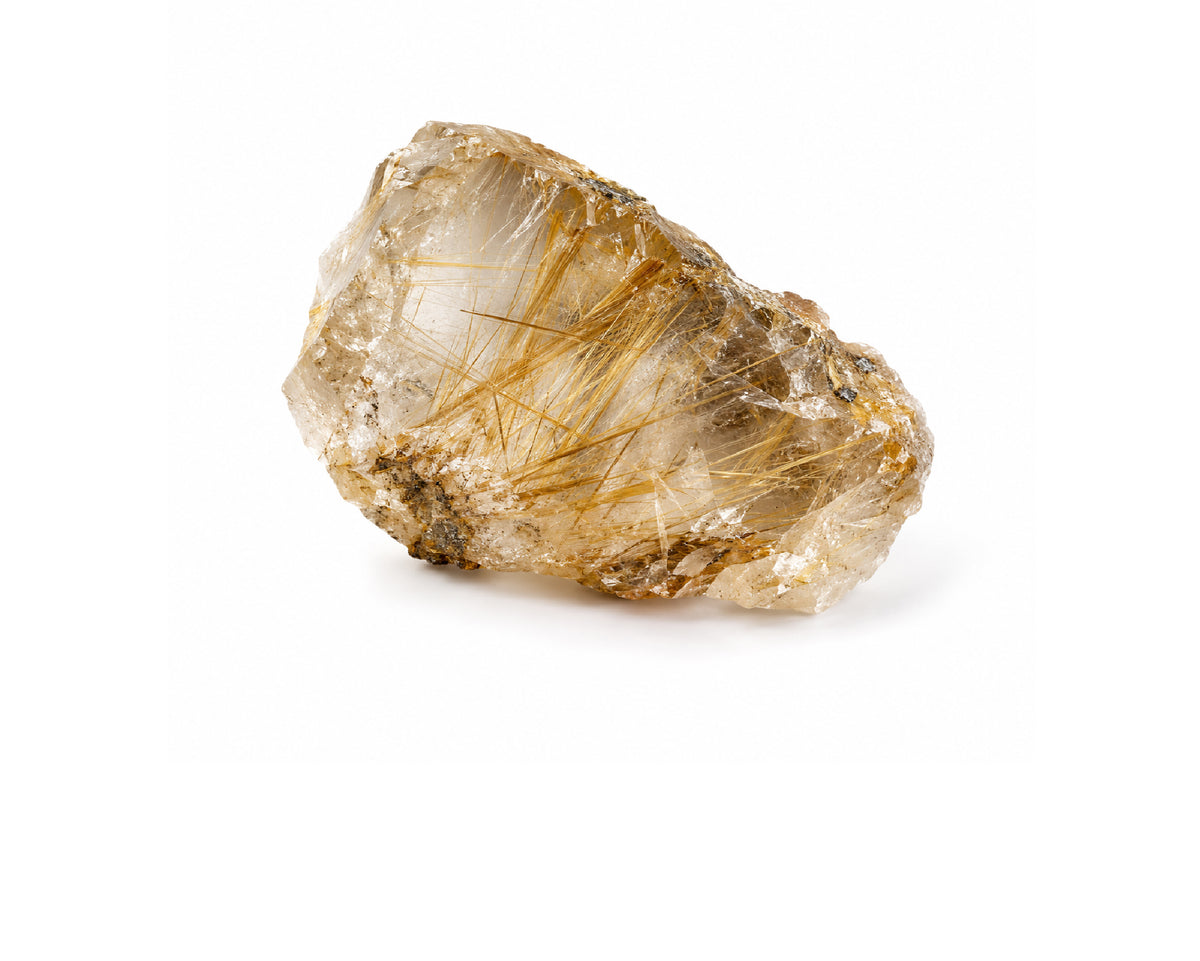
Rutilated Quartz
Quartz containing naturally occurring needle-like inclusions of rutile, a titanium dioxide mineral. These inclusions appear as delicate hair-like strands, dense bundles or intersecting needles in golden, copper, reddish-brown and darker tones, creating a distinctive internal landscape within each gemstone.
Symbolism: Clarity, focus, confidence, motivation, direction and determination.
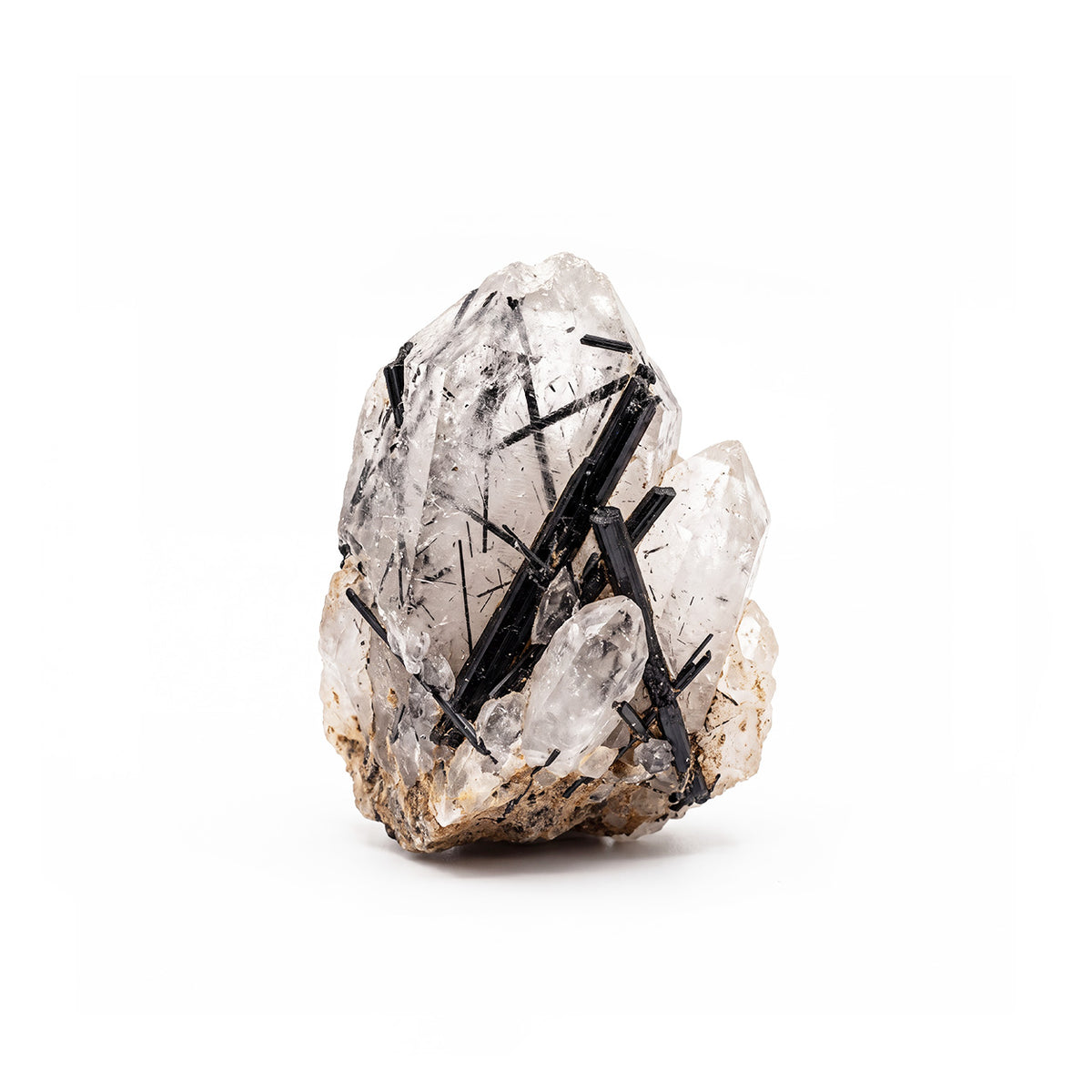
Black Tourmalinated Quartz
Quartz containing naturally occurring black Tourmaline inclusions, commonly Schorl. The striking contrast between transparent Quartz and dark needle-like crystals creates intricate patterns that are unique to each specimen.
Symbolism: Strength, grounding and balance.
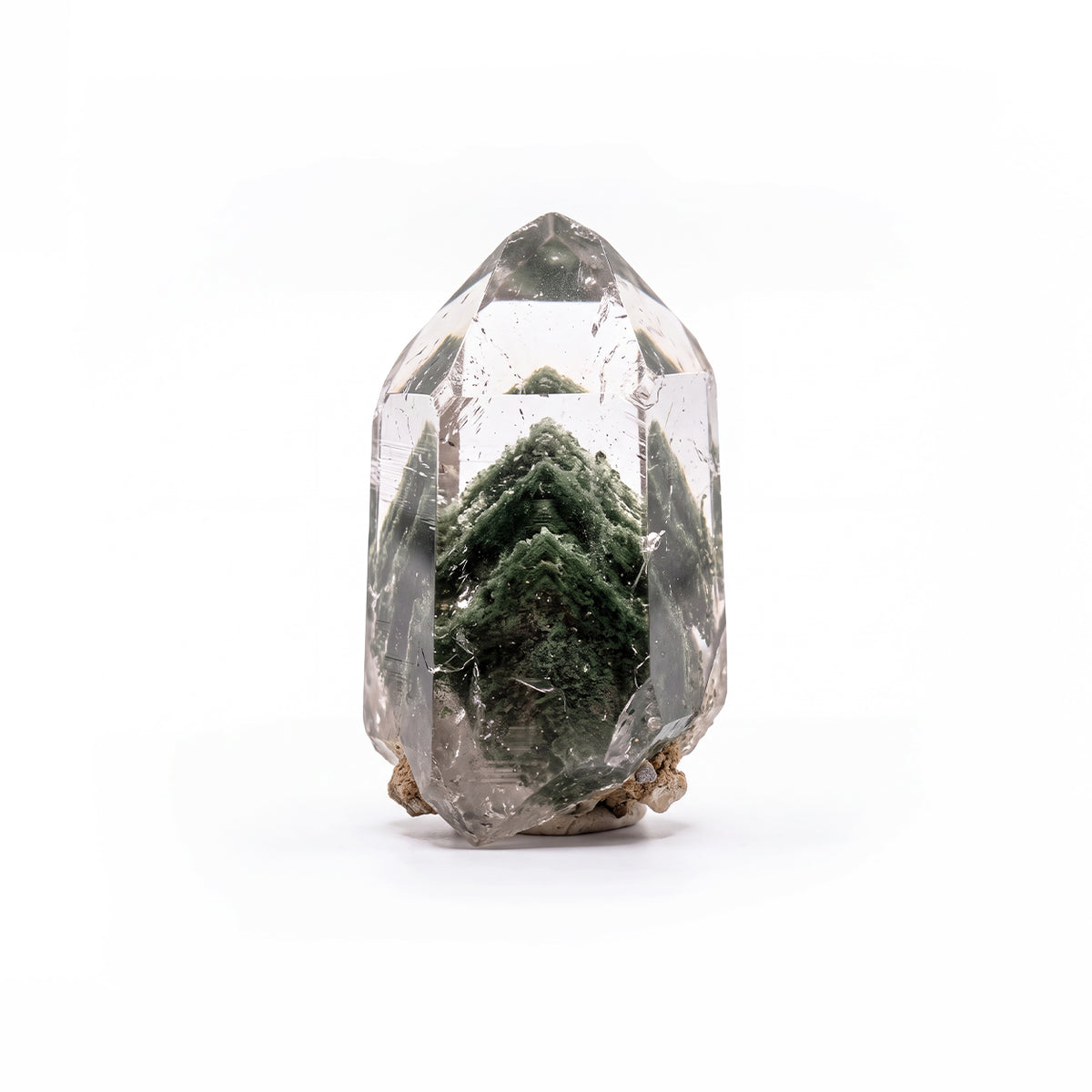
Phantom Quartz
Distinguished by internal formations that resemble smaller crystals suspended within a larger Quartz crystal. These phantom structures record earlier stages of crystal growth, often highlighted by mineral deposits such as chlorite or iron oxides.
Symbolism: Transformation, growth and perseverance.
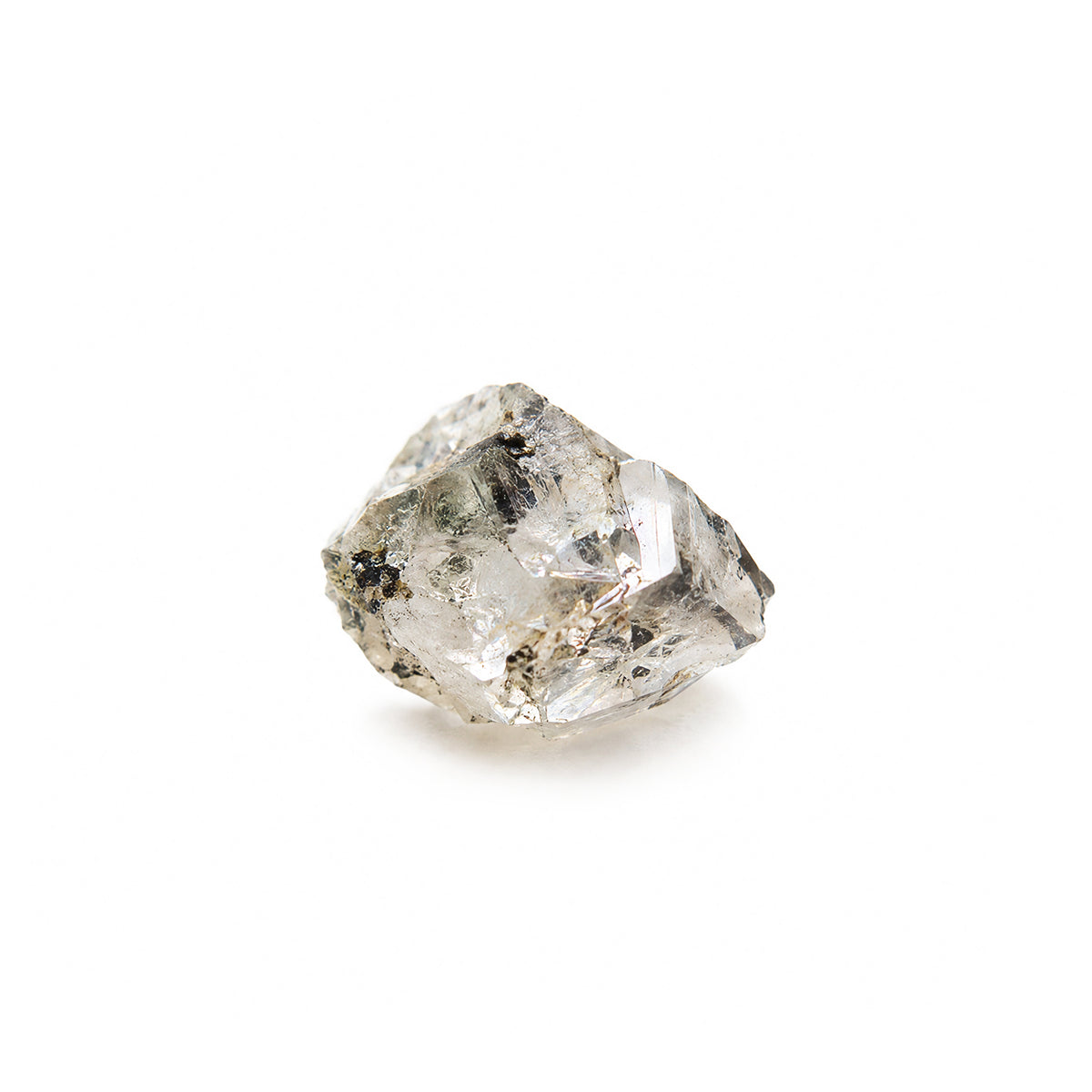
Black Herkimer Diamond
A name given to naturally double-terminated Quartz crystals associated with Herkimer County and surrounding areas of New York, USA. Their distinctive geometry and exceptional clarity can resemble faceted diamonds, although they are mineralogically Quartz.
Symbolism: Clarity, individuality and awareness.
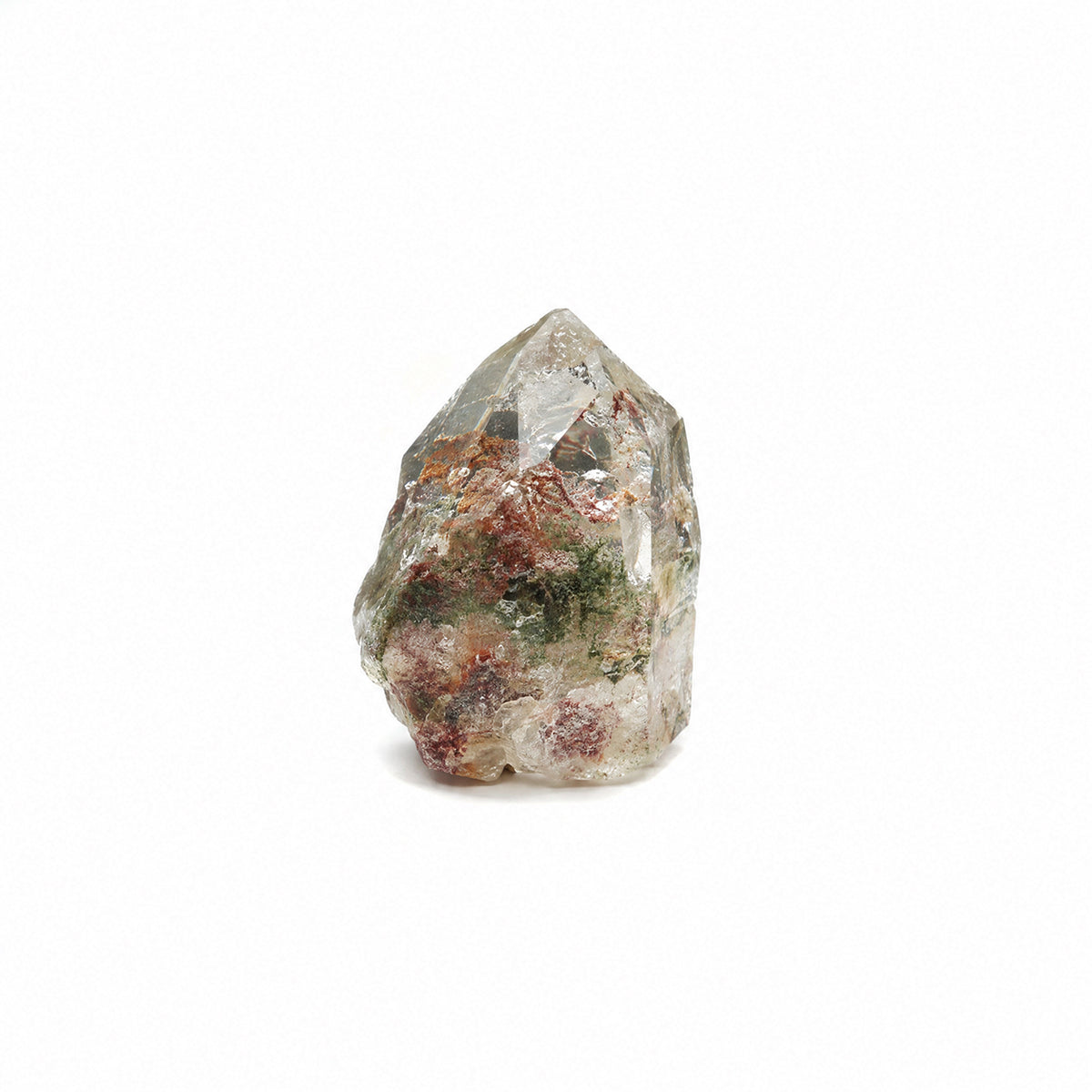
Garden Quartz — Lodolite
A descriptive trade name for Quartz containing various mineral inclusions that resemble miniature landscapes, gardens or underwater scenes. Its internal colours and formations create extraordinary visual depth.
Symbolism: Discovery, imagination and connection with nature.
Microcrystalline Quartz & Chalcedony
Unlike well-defined Quartz crystals, these gemstones consist of microscopic crystalline aggregates. Their distinctive colours and patterns make them particularly suitable for beads, carvings and decorative jewellery
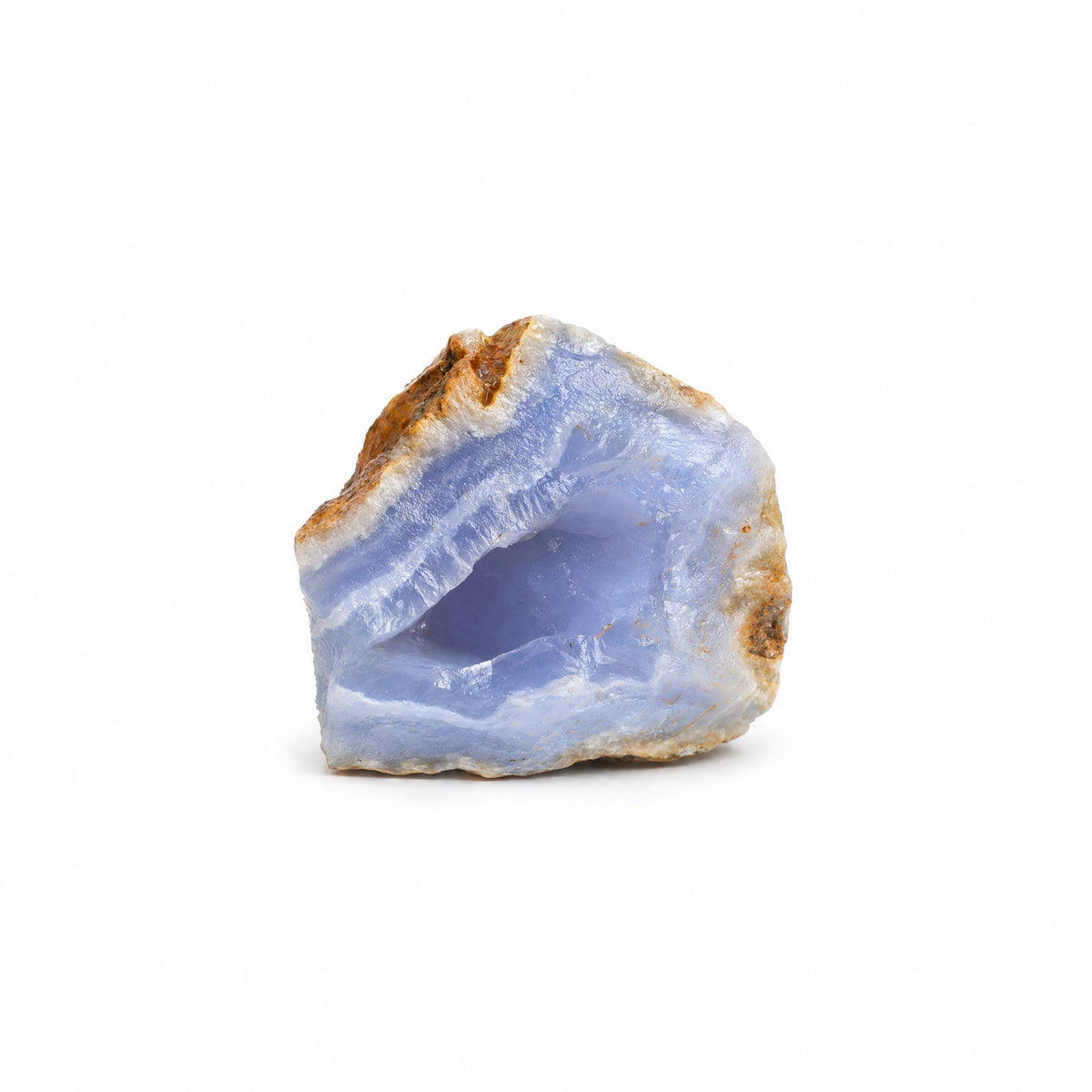
Chalcedony
A fine-grained silica material composed primarily of microscopic Quartz crystals, often with moganite. It commonly exhibits a translucent appearance and soft, waxy lustre.
Symbolism: Harmony, calmness and balance.
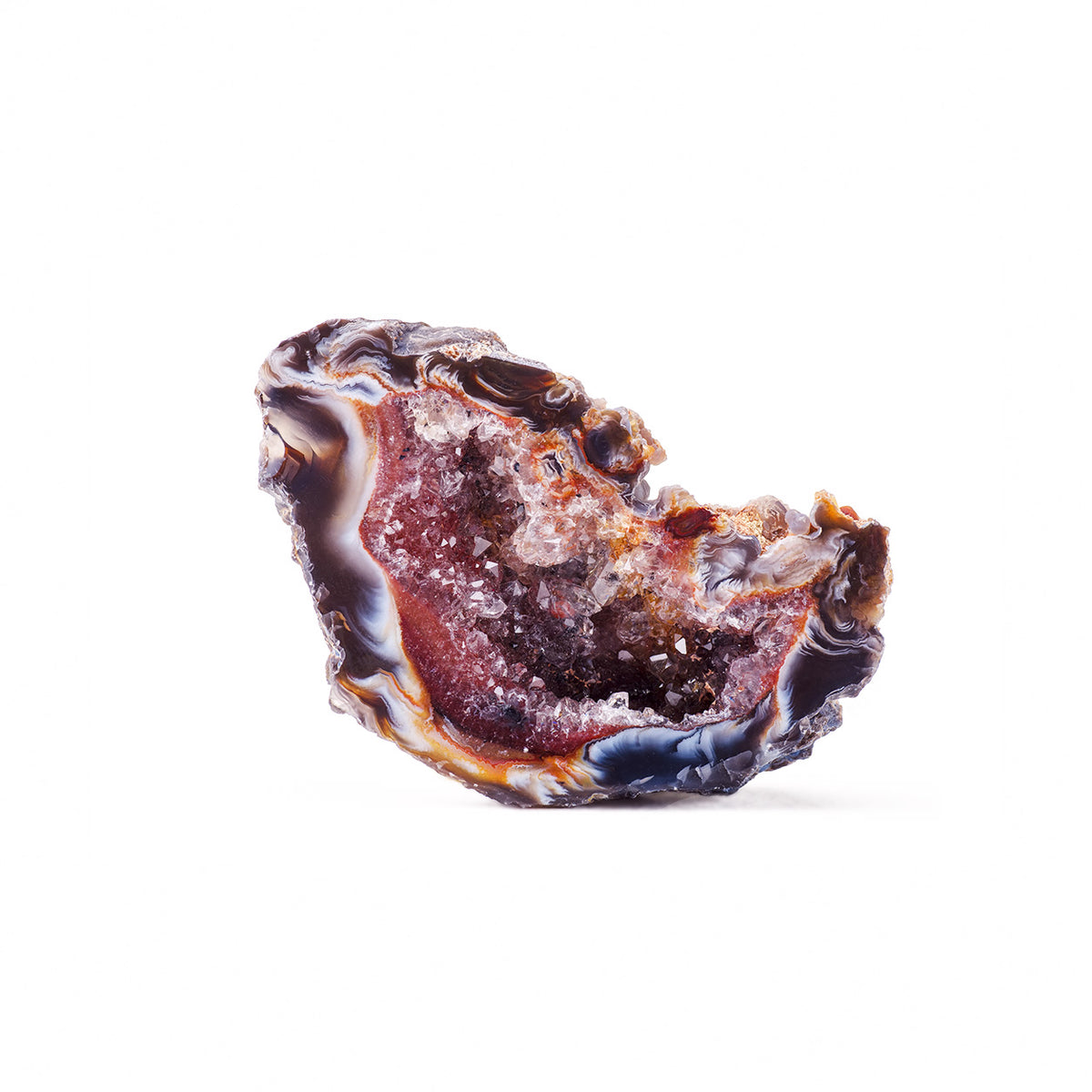
Agate
A variety of Chalcedony distinguished primarily by its natural banding and layered patterns. Its wide range of colours and formations includes Eye Agate, Moss Agate and various banded varieties.
Symbolism: Stability, protection and inner balance.
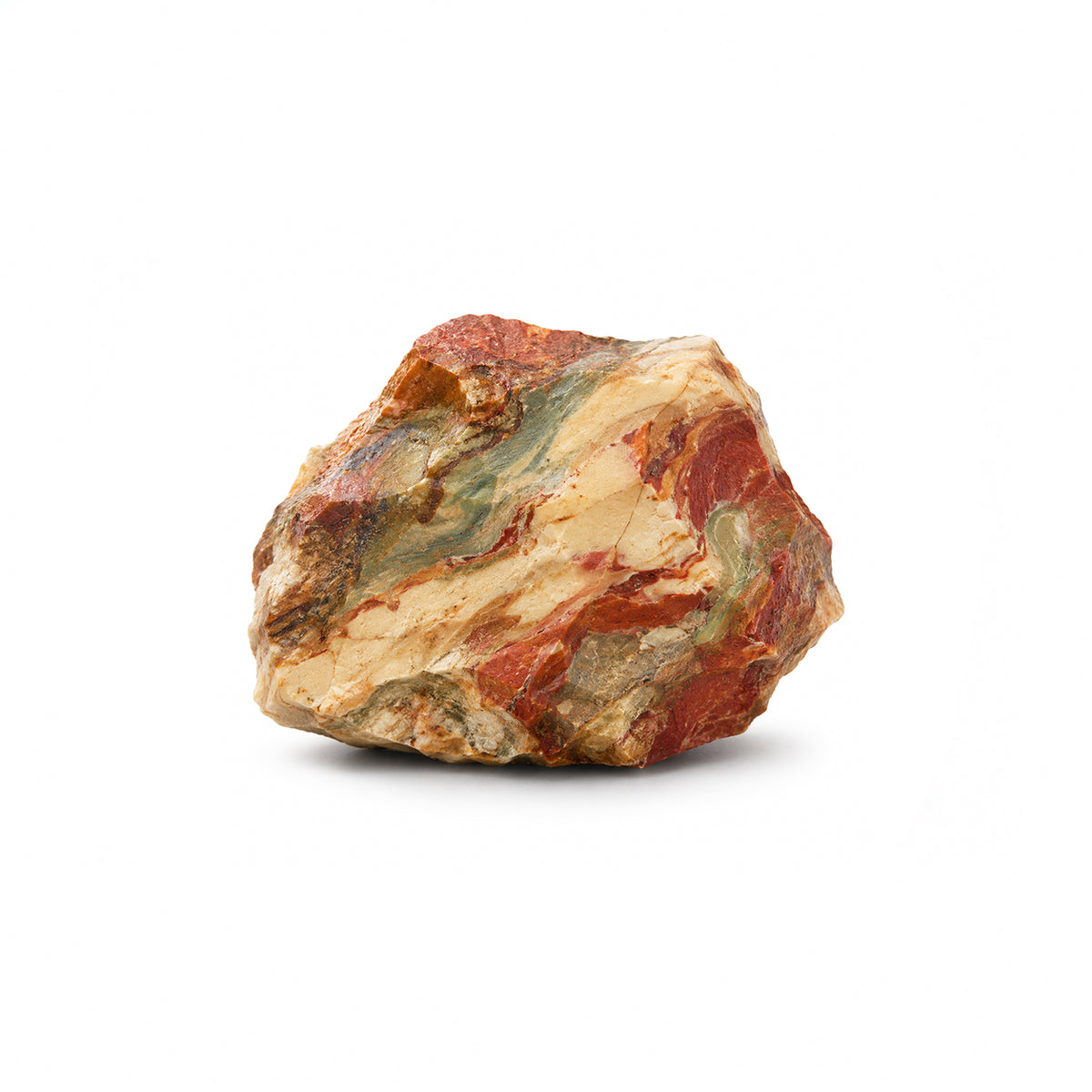
Jasper
An opaque, silica-rich gemstone material containing varying amounts of mineral impurities. Jasper is admired for its earthy colours, organic patterns and extraordinary diversity, including Imperial Jasper, Picture Jasper and Ocean Jasper.
Symbolism: Strength, stability and determination.
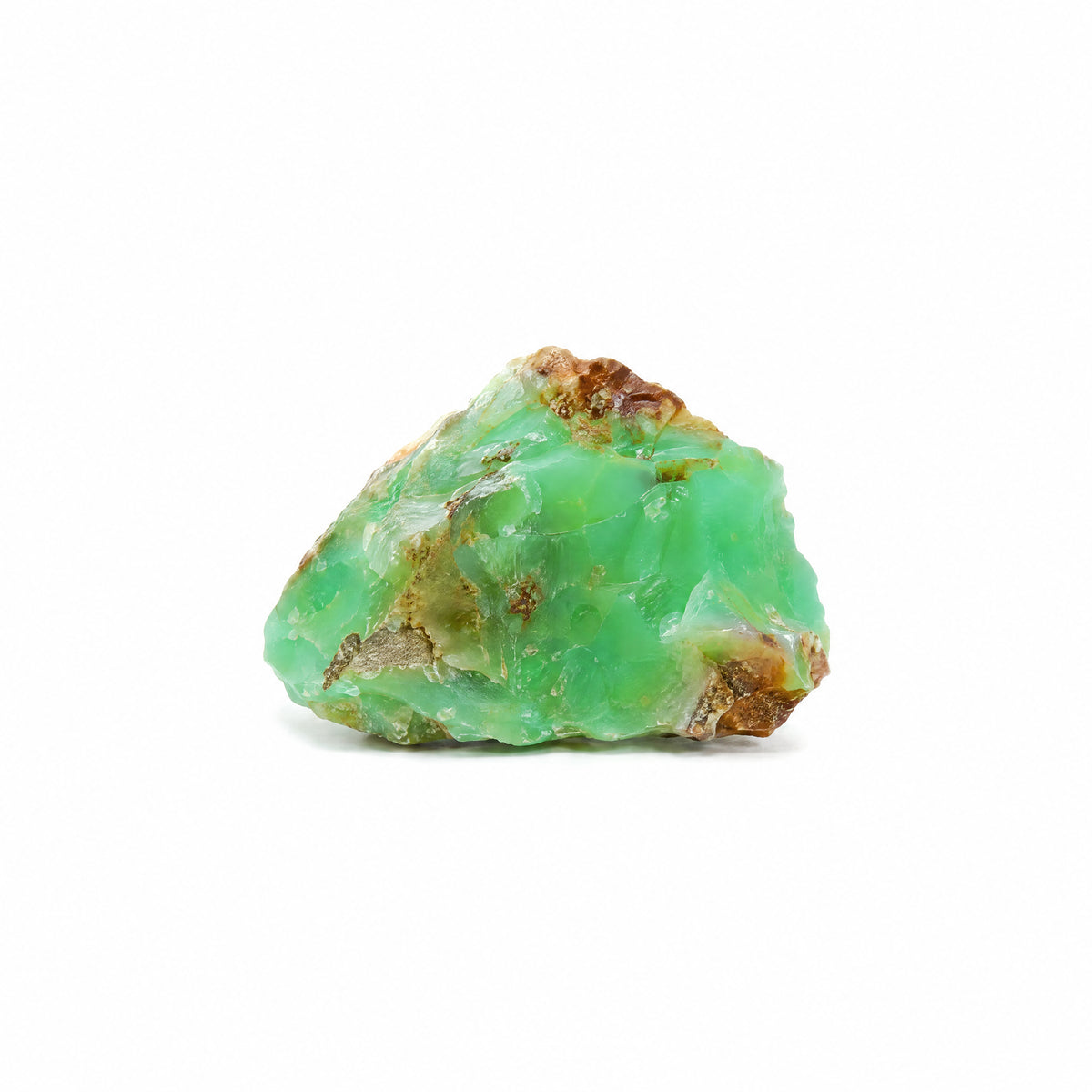
Chrysoprase
A translucent green variety of Chalcedony whose distinctive apple-green to deeper green colours result from nickel-bearing compounds. It is particularly admired for its refreshing colour and smooth appearance.
Symbolism: Renewal, vitality and personal growth.
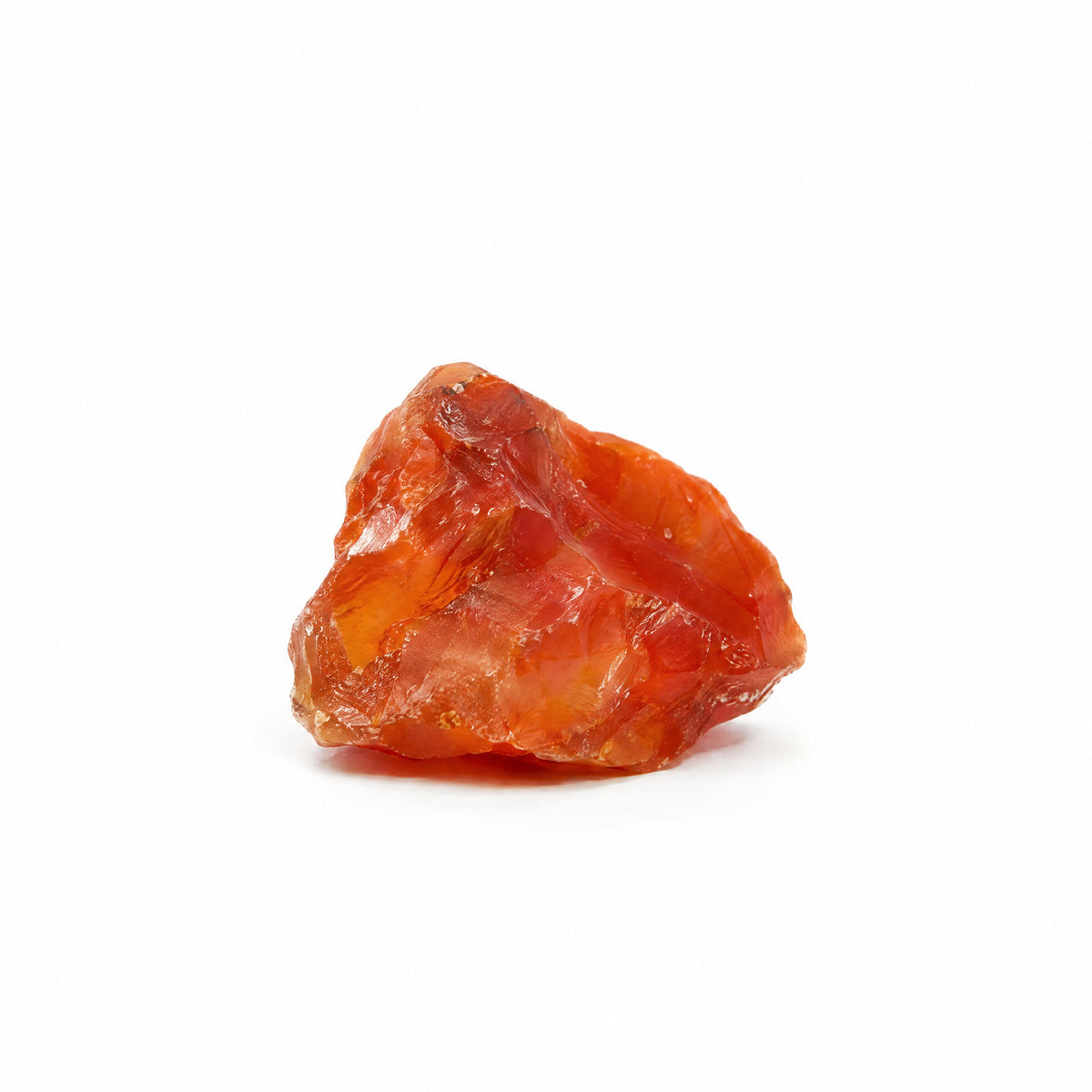
Carnelian
A translucent variety of Chalcedony displaying orange, reddish-orange and reddish-brown colours associated with iron compounds. Carnelian has been used in jewellery and carved ornaments since ancient times.
Symbolism: Courage, motivation and vitality.
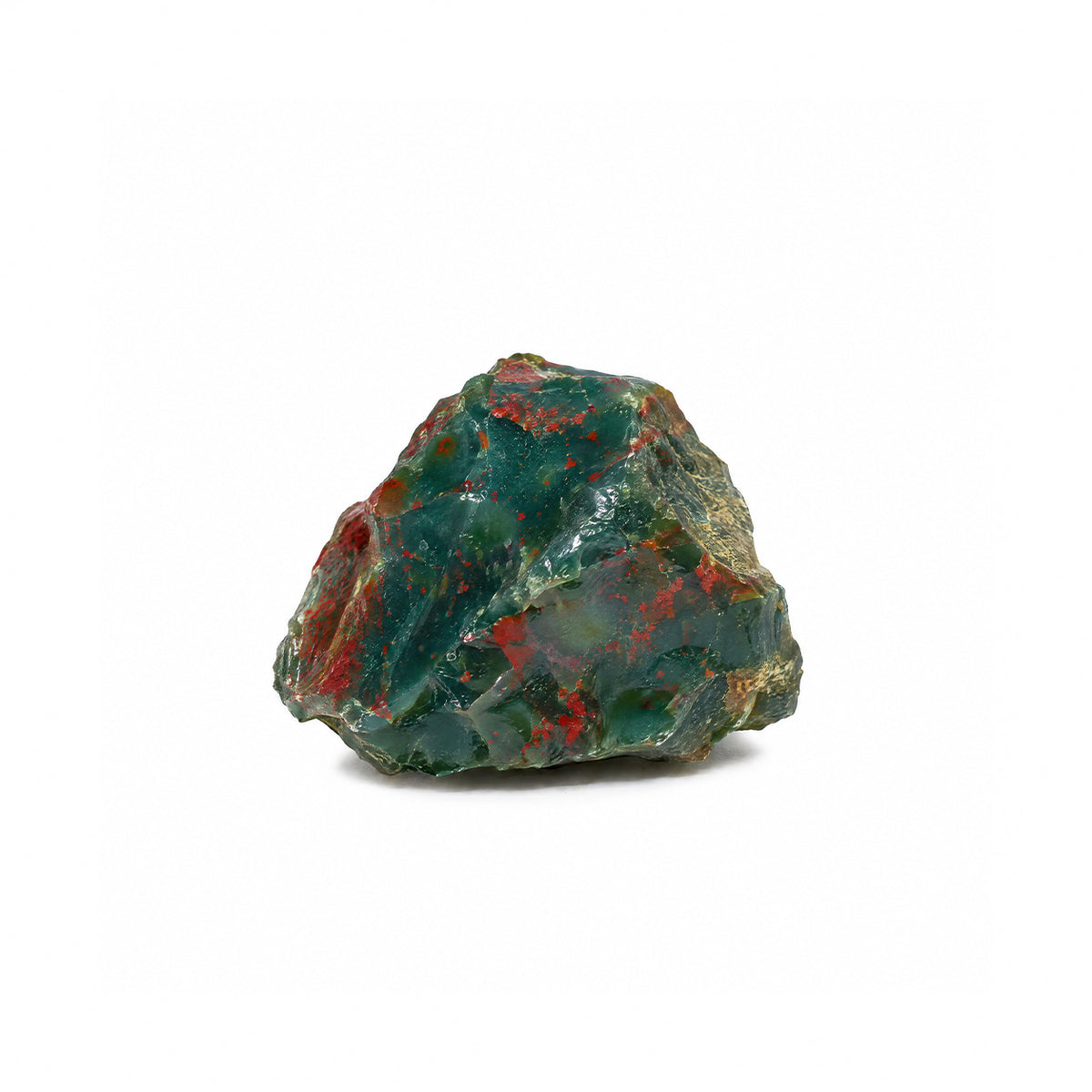
Bloodstone — Heliotrope
A predominantly dark green, opaque to translucent silica-rich gemstone featuring distinctive red spots or markings associated with iron oxides.
Symbolism: Courage, endurance and determination.