


Tourmaline is a semi-precious gemstone belonging to a group of naturally occurring crystalline boron silicate minerals, renowned for its extraordinary diversity of colours and distinctive crystal formations.
It is one of the most colourful gemstone families in the world, occurring in shades of black, green, pink, red, blue, yellow and even multiple colours within a single crystal. Its remarkable colour variations result from differences in chemical composition, particularly the presence of elements such as iron, manganese, chromium, vanadium and copper.
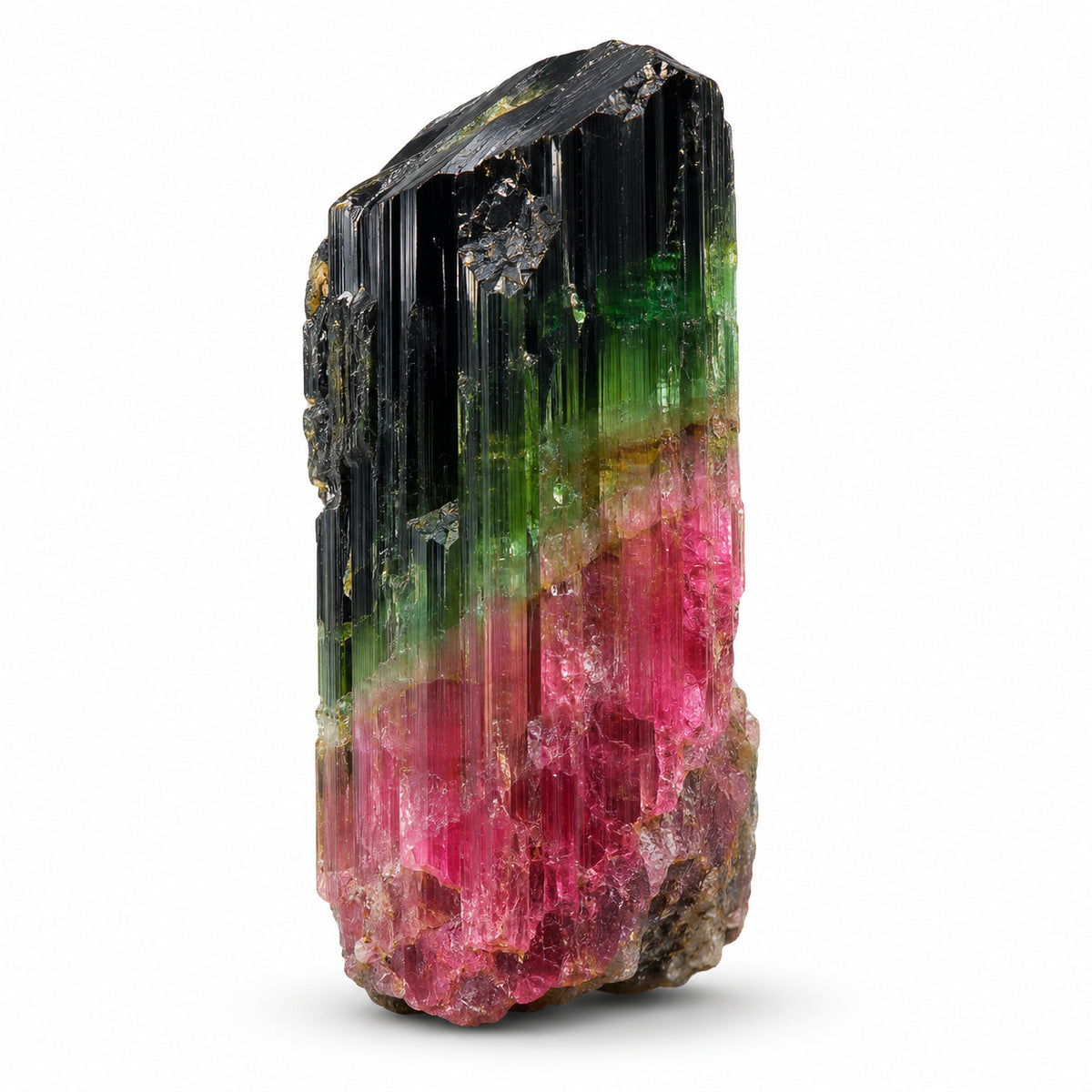
Tourmaline commonly forms elongated crystals with naturally occurring parallel striations. Some specimens exhibit remarkable colour zoning, where different colours develop within the same crystal as its chemical environment changes during formation.
The name Tourmaline originates from the Sinhalese word toramalli, meaning “mixed gems”. Historically, its wide spectrum of colours often led to confusion with other precious gemstones, including emerald and ruby, before tourmaline became scientifically recognised as a distinct mineral group in the 19th century.
Tourmaline as a Semi-Precious Gemstone
From the deep, grounding character of Black Tourmaline to the vibrant brilliance of Paraíba Tourmaline, each variety reveals a different expression of nature’s extraordinary mineral artistry.
With a hardness of approximately 7–7.5 on the Mohs scale, Tourmaline is well suited for jewellery. However, specimens containing significant internal fractures or inclusions should be handled with reasonable care.
Mohs Hardness: 7–7.5
Mineral Family: Tourmaline Supergroup
Chemical Composition: Complex Boron Silicate
Crystal System: Trigonal
Crystal Habit: Elongated prismatic crystals, often with longitudinal striations
Transparency: Transparent to opaque
Lustre: Vitreous
Toughness: Fair
Refractive Index: Approximately 1.62–1.65, varying by species
Specific Gravity: Approximately 3.0–3.3, varying by species
Typical Colours: Black, green, pink, red, blue, yellow, brown and multicolour
Optical Properties: Pleochroism; some specimens exhibit chatoyancy
Birthstone: October
Major Sources: Brazil, Afghanistan, Pakistan, Mozambique, Madagascar, Nigeria, Namibia, Sri Lanka and the United States
Varieties of Tourmaline
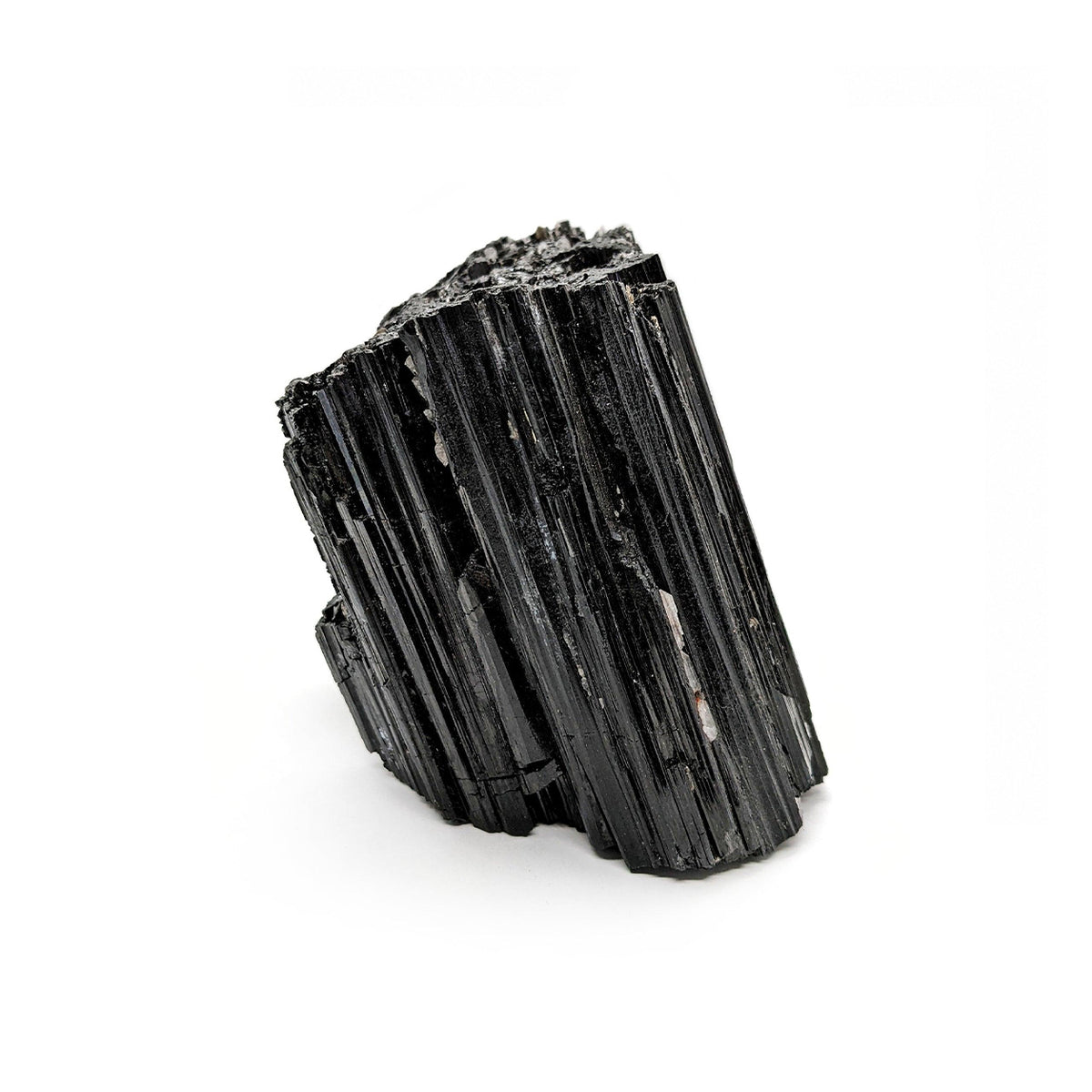
Black Tourmaline — Schorl
The most common variety of Tourmaline, characterised by its deep black colour, iron-rich composition and distinctive longitudinal striations. Its naturally rugged crystalline forms make it particularly striking in raw gemstone jewellery.
Symbolism: Strength, grounding, protection and resilience.
Green Tourmaline — Verdelite
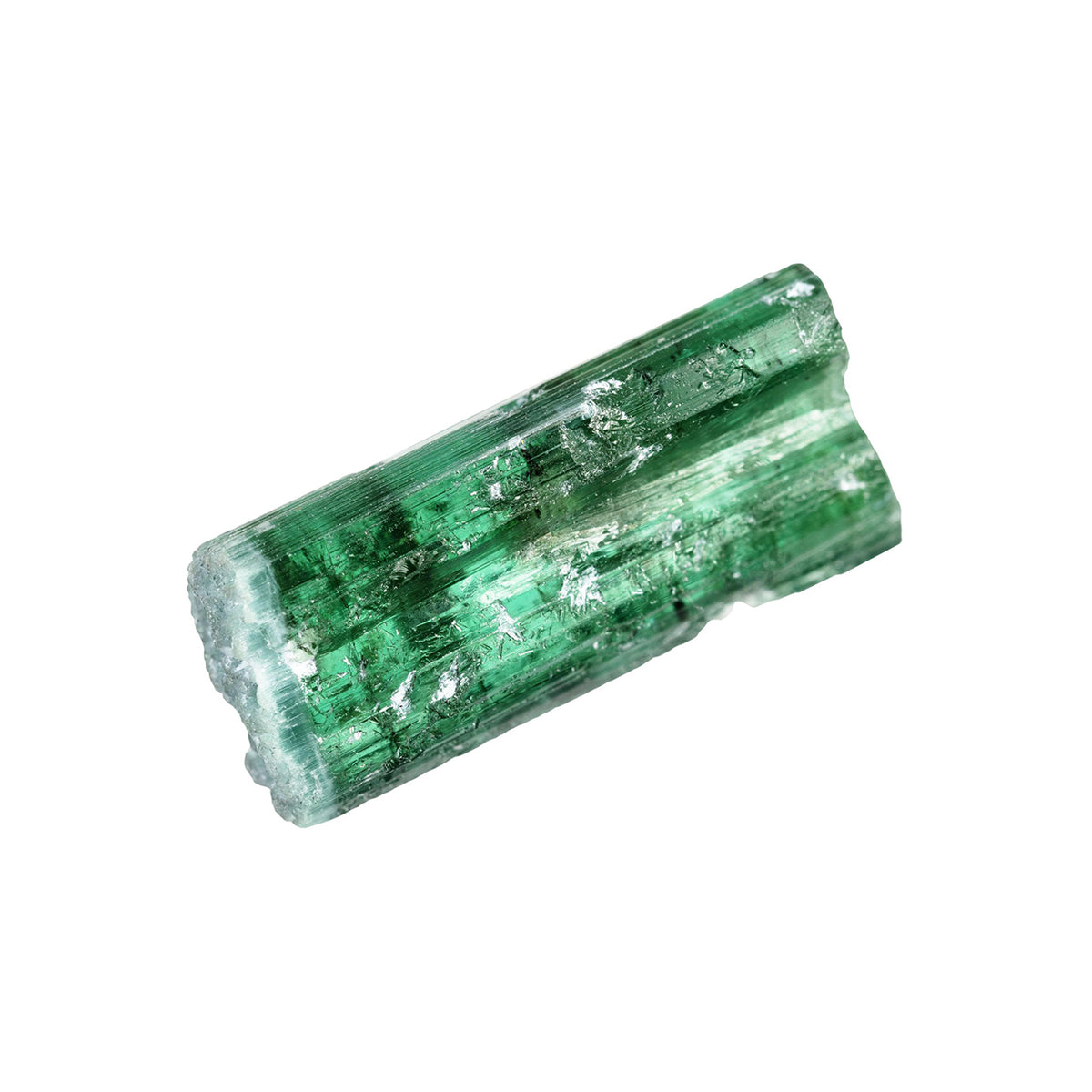
Ranging from delicate olive green to rich emerald-like tones, Green Tourmaline is admired for its natural brilliance and refreshing spectrum of green hues.
Symbolism: Growth, vitality, harmony and renewal.
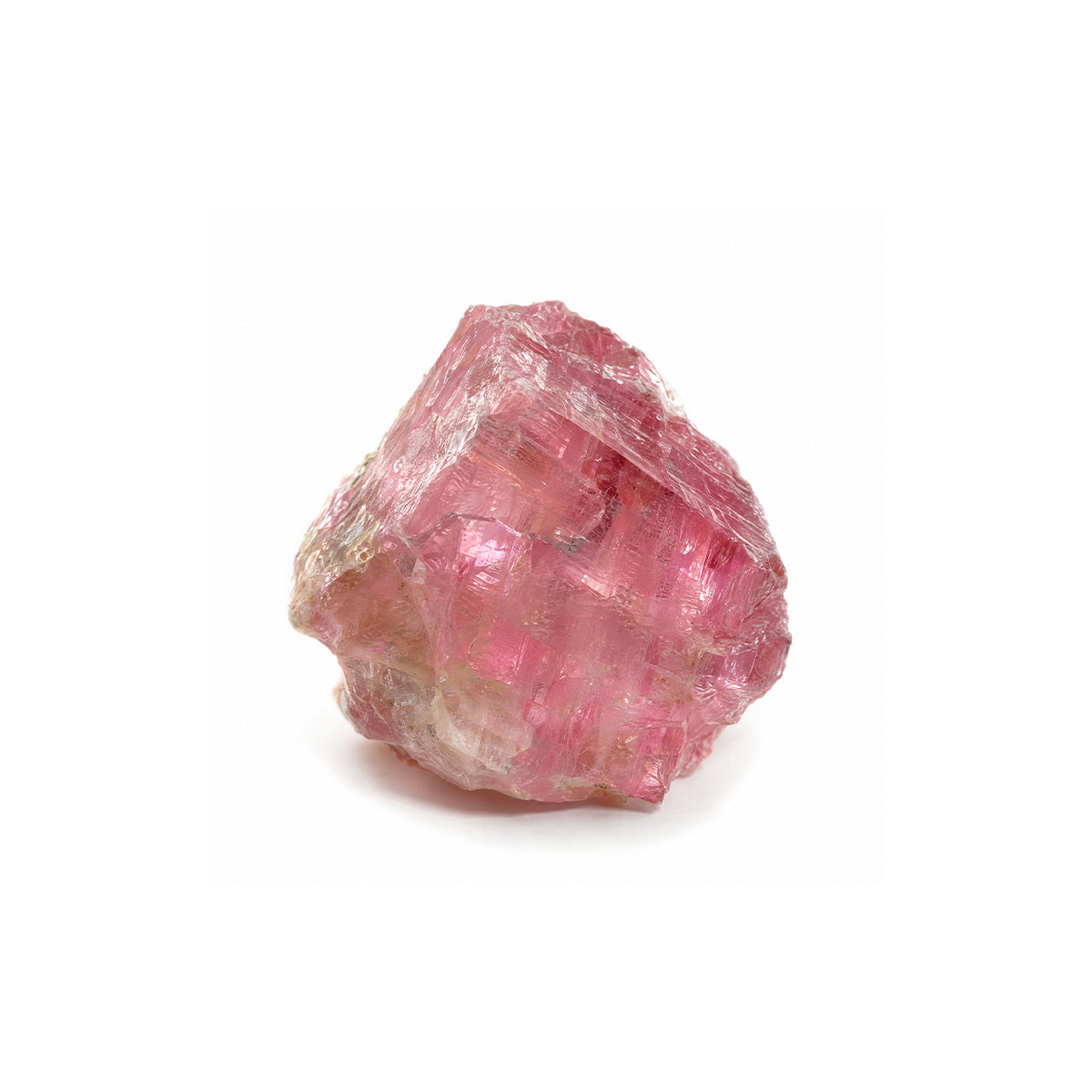
Pink Tourmaline
Featuring delicate blush tones through to vibrant rose pink, this variety is celebrated for its expressive colour and luminous appearance.
Symbolism: Compassion, affection, emotional balance and kindness.
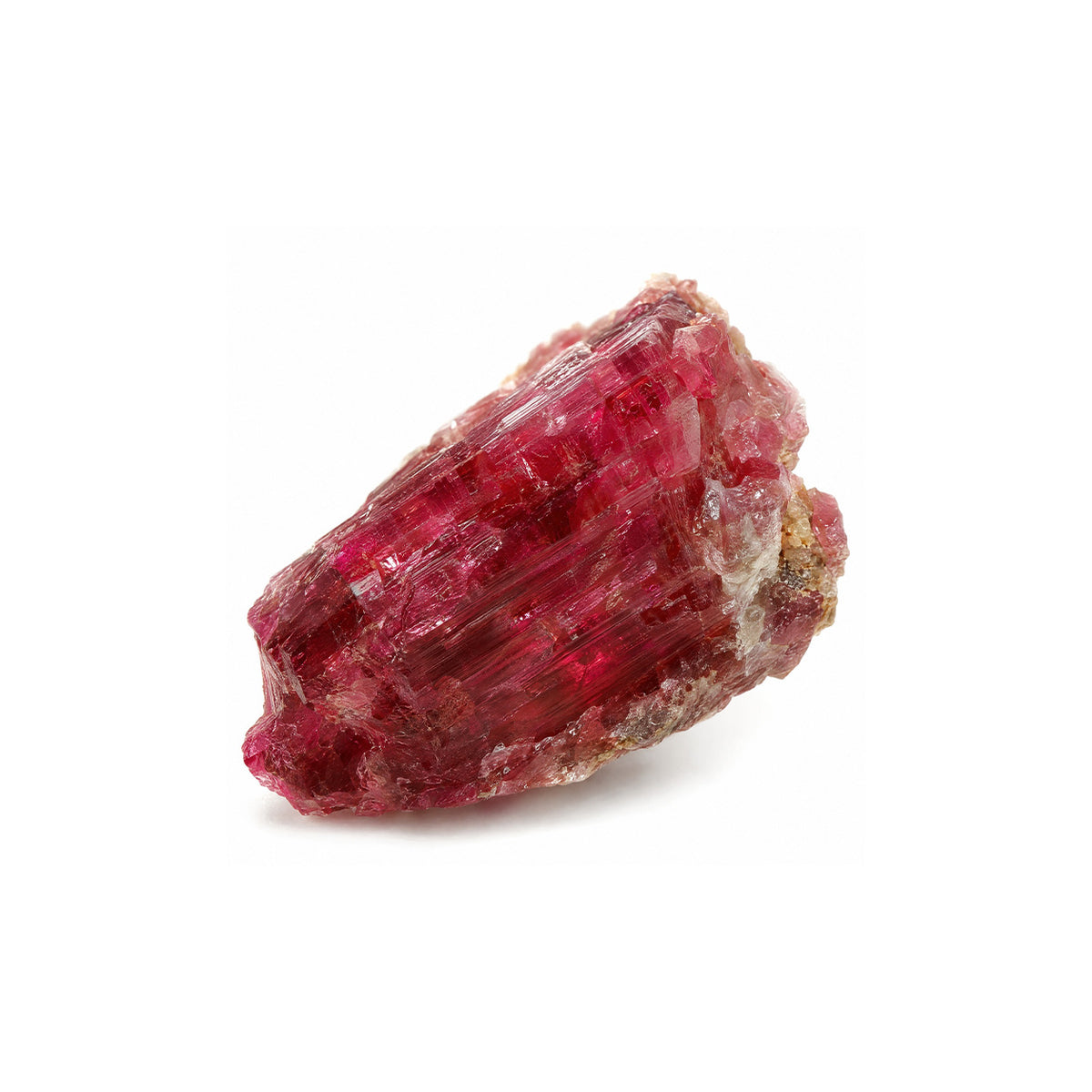
Red Tourmaline — Rubellite
A highly regarded variety displaying rich red, purplish-red and intense pinkish-red tones. Its saturated colours can rival those of fine ruby and pink sapphire.
Symbolism: Passion, courage, vitality and determination.
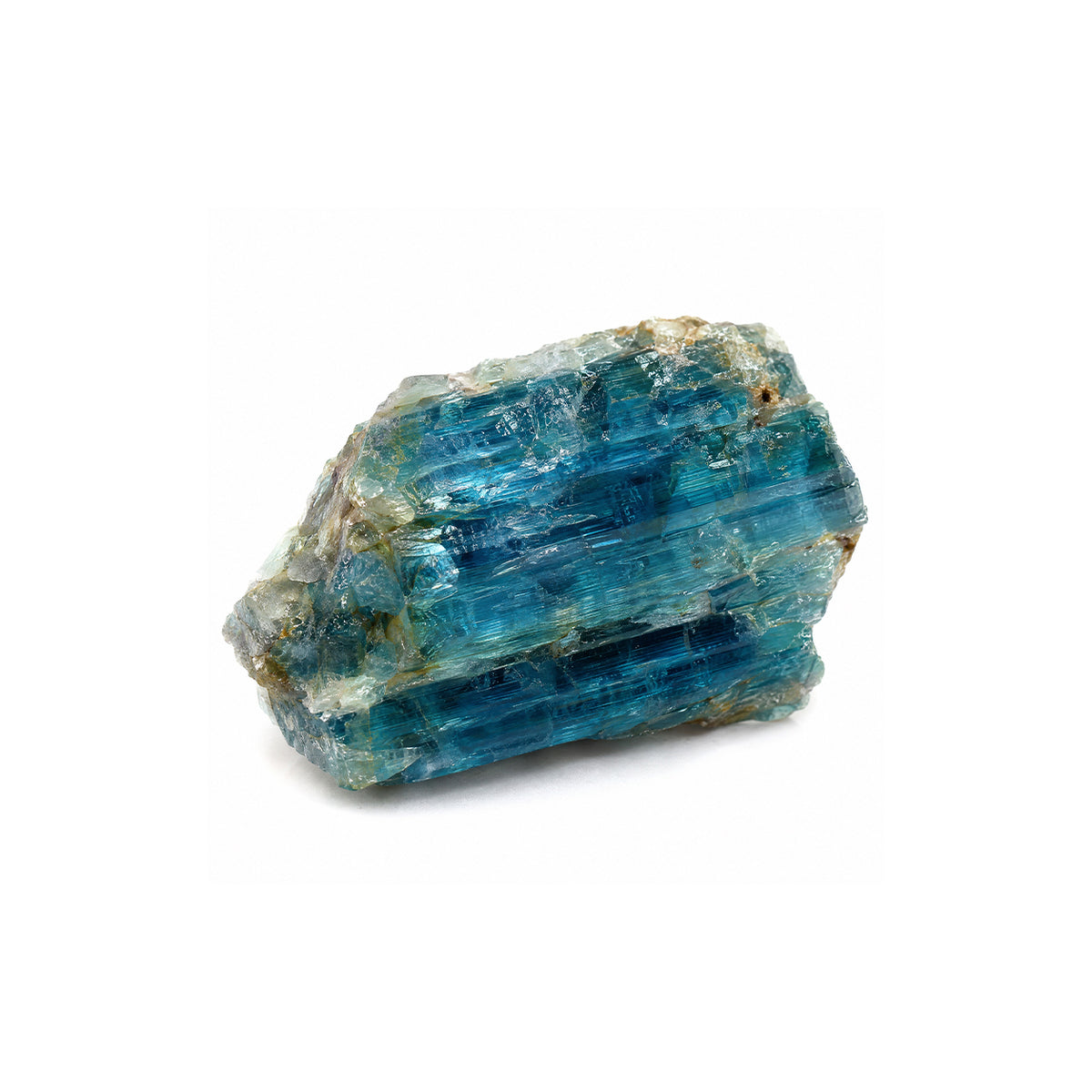
Blue Tourmaline — Indicolite
A distinctive variety ranging from deep blue to greenish-blue and violet-blue. Its captivating colour resembles the depths of the ocean.
Symbolism: Clarity, tranquillity, communication and inner balance.
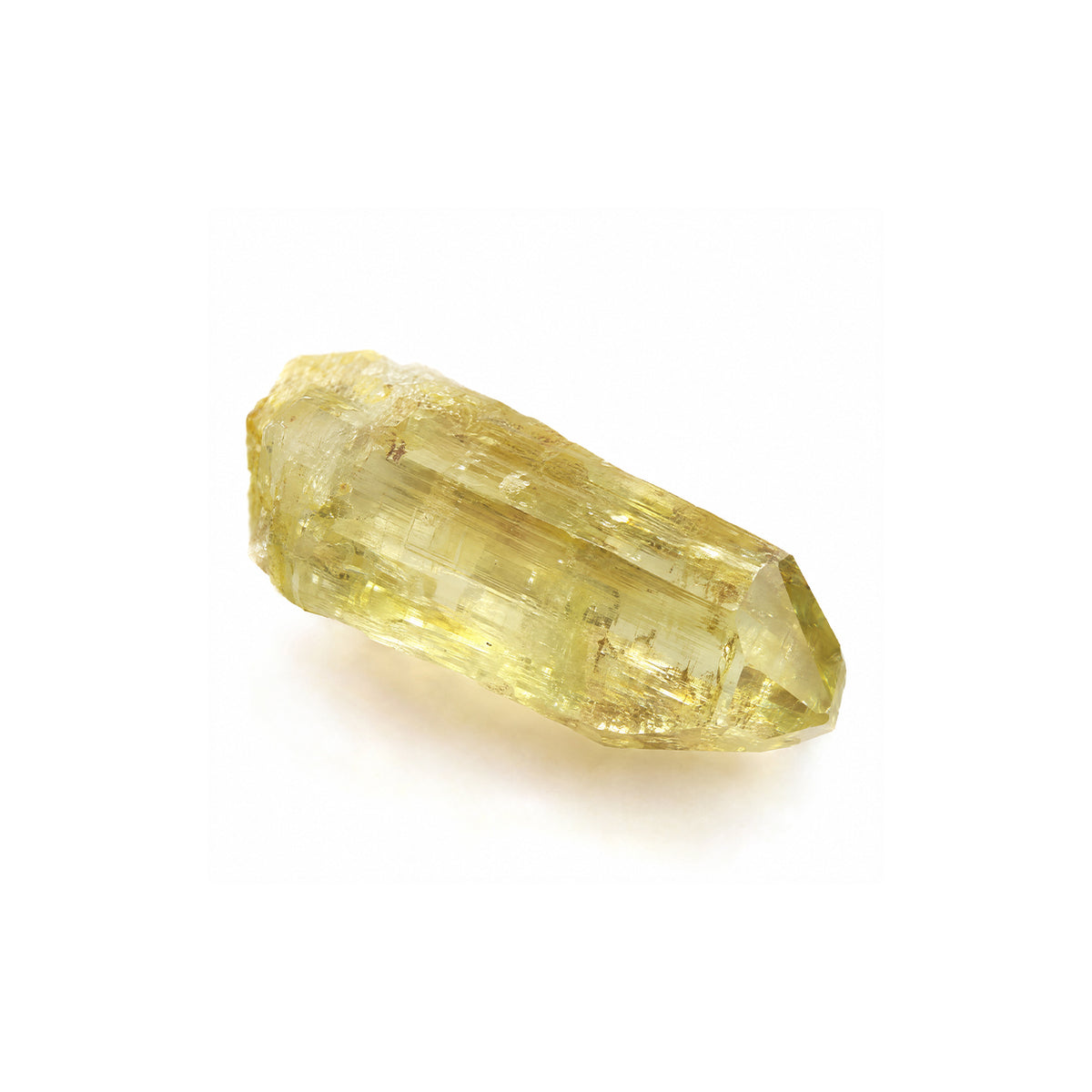
Yellow Tourmaline
Occurring in shades of pale yellow, golden yellow and warm amber, Yellow Tourmaline offers a naturally radiant expression of the gemstone family.
Symbolism: Optimism, confidence, creativity and personal growth.
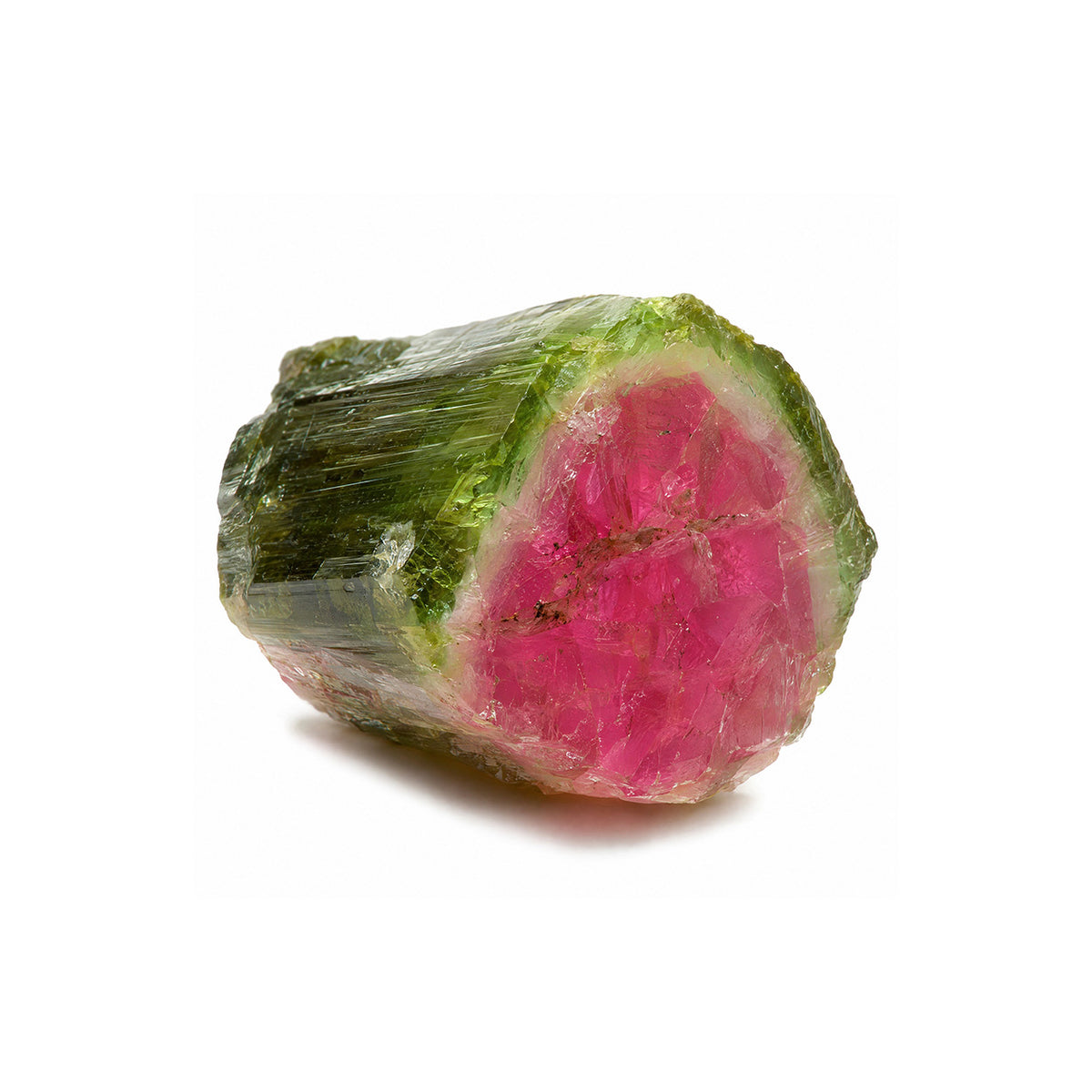
Watermelon Tourmaline
An extraordinary colour-zoned variety featuring a pink or red centre surrounded by a green outer layer. Its distinctive appearance develops naturally during crystal growth.
Symbolism: Harmony, individuality, joy and emotional balance.
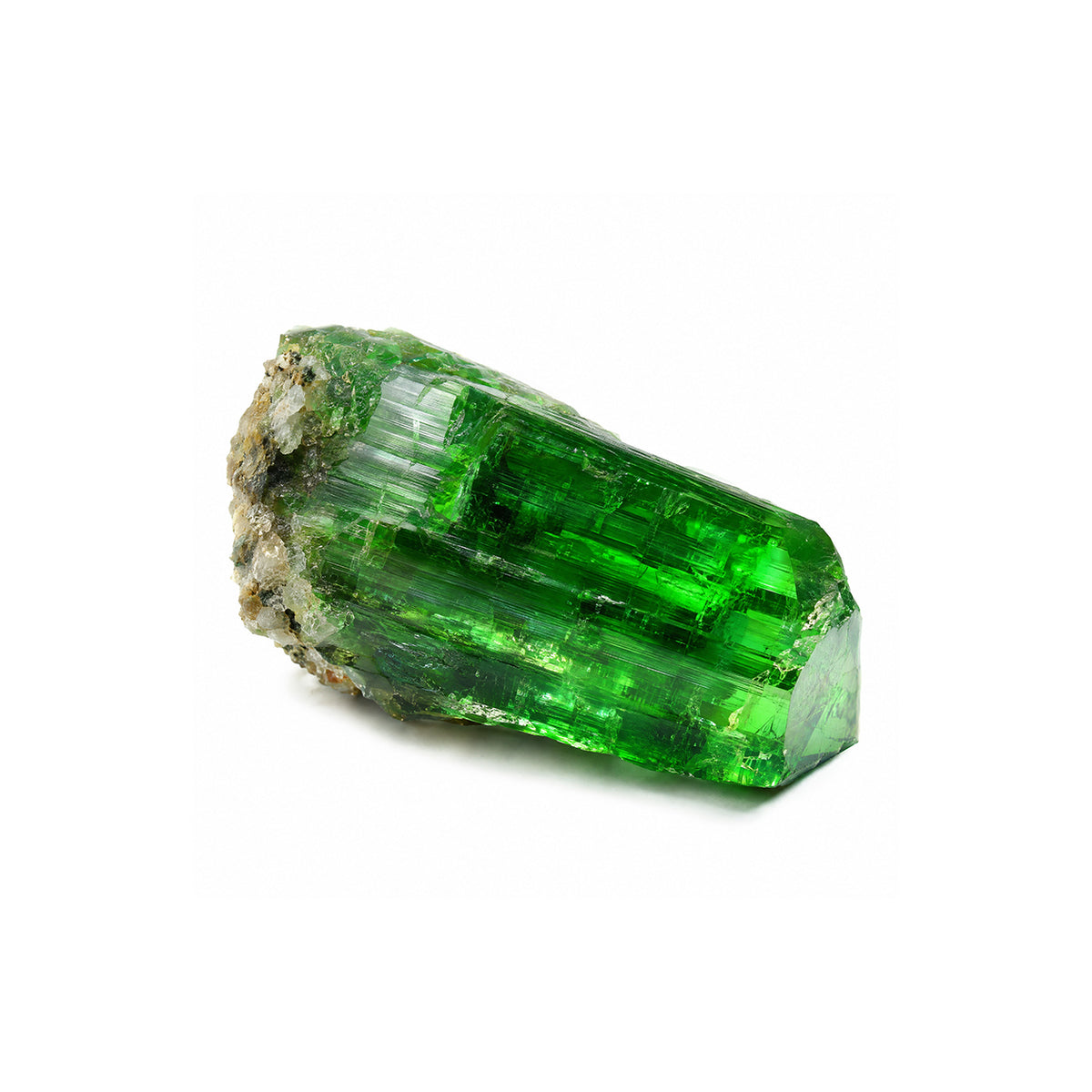
Chrome Tourmaline
An intensely coloured green variety whose rich hues are associated with chromium and vanadium. Fine specimens can display remarkable emerald-like saturation.
Symbolism: Prosperity, vitality, growth and renewal.
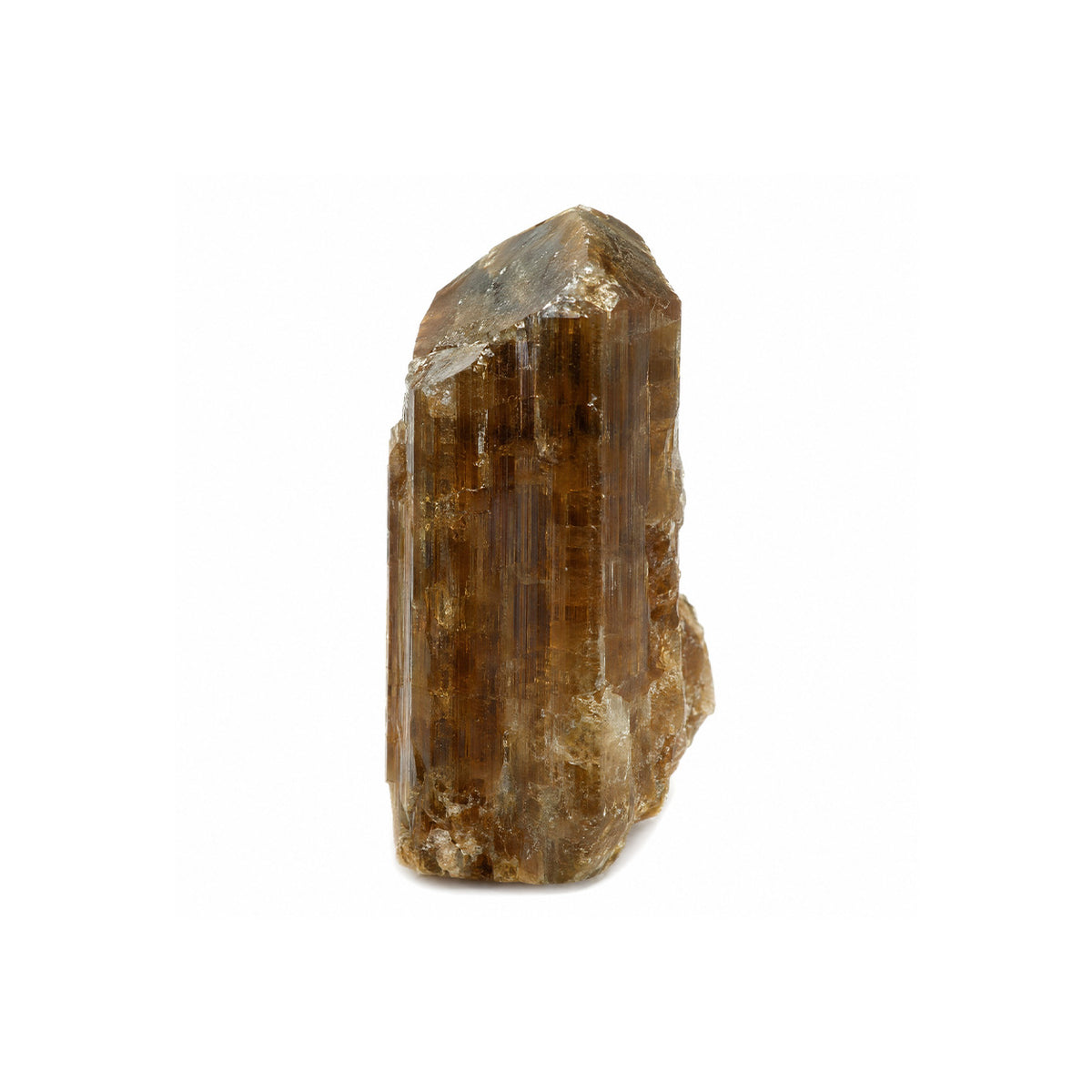
Brown Tourmaline — Dravite
A magnesium-rich Tourmaline species commonly found in earthy brown, golden-brown and darker tones. Its understated natural colours reflect its mineral-rich geological origins.
Symbolism: Stability, endurance, grounding and inner strength.
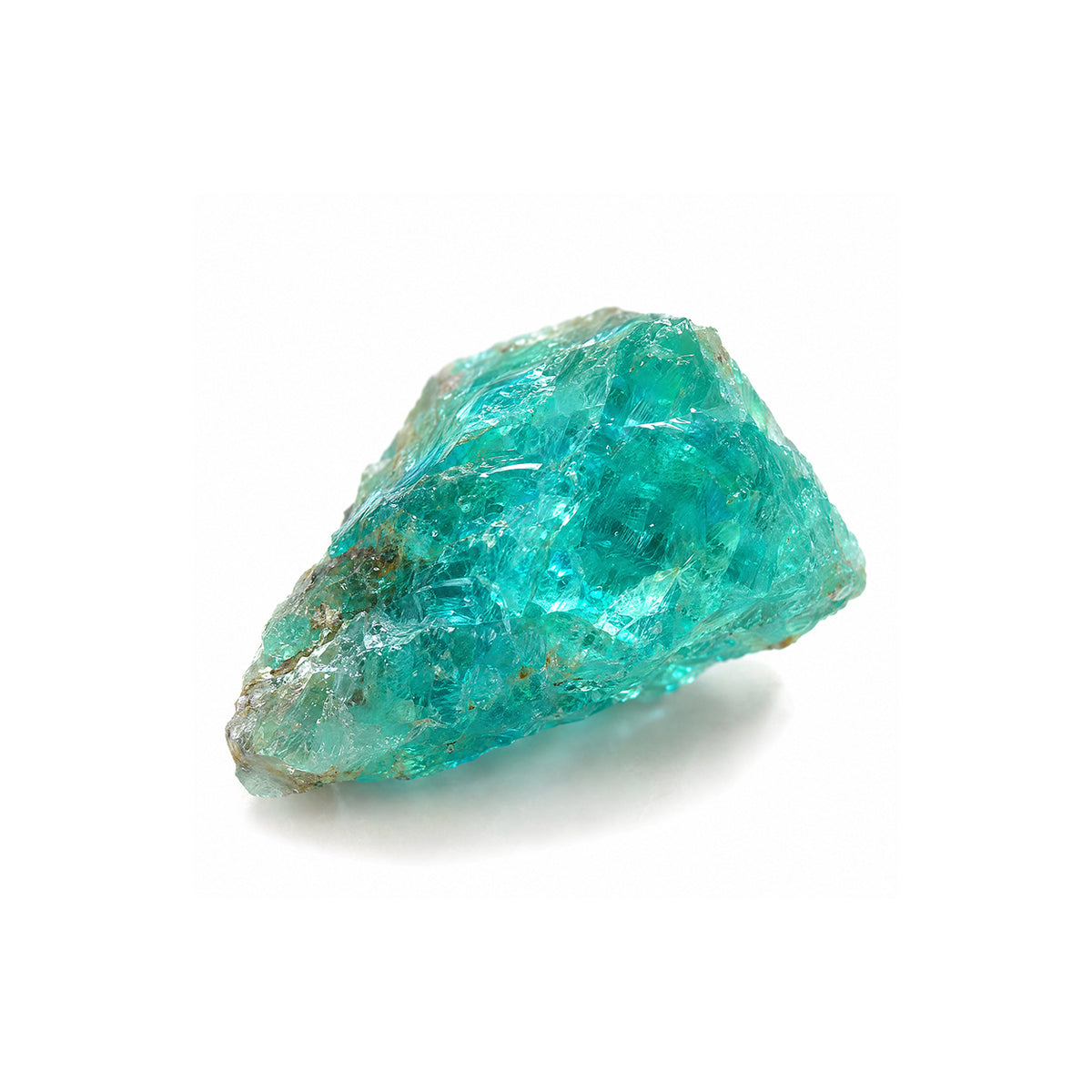
Paraíba Tourmaline
One of the most coveted varieties of Tourmaline, distinguished by its vivid neon-blue, turquoise and greenish-blue colours. Its extraordinary brilliance is associated with the presence of copper.
Symbolism: Inspiration, individuality, brilliance and discovery.