


Deep green crossed by dramatic red markings gives Dragon Blood Jasper an appearance that naturally evokes strength, endurance and something almost legendary. The contrast between its earthy green and blood-red tones has made it a powerful symbol of courage, resilience and renewal.
Closely associated with the Root and Heart Chakras, Dragon Blood Jasper is believed to encourage grounding, emotional stability and inner strength. Its red markings are linked with vitality and determination, while the green areas symbolise balance, growth and renewal.
It is especially meaningful during periods of challenge or change, representing the ability to stand firm, recover and continue forward rather than being defeated by setbacks.
For VARDE, Dragon Blood Jasper reflects strength built over time — grounded, resilient and unwavering in the pursuit of what lies ahead.
Associated with: Strength • Courage • Resilience • Grounding • Renewal • Determination • Balance • Inner Strength
Care: Dragon Blood Jasper is reasonably durable but should still be protected from hard impacts and harsh chemicals. Clean gently with lukewarm water, mild soap and a soft cloth. Avoid strong acids, excessive heat, steam and ultrasonic cleaners.
* These meanings are based on traditional and metaphysical beliefs.
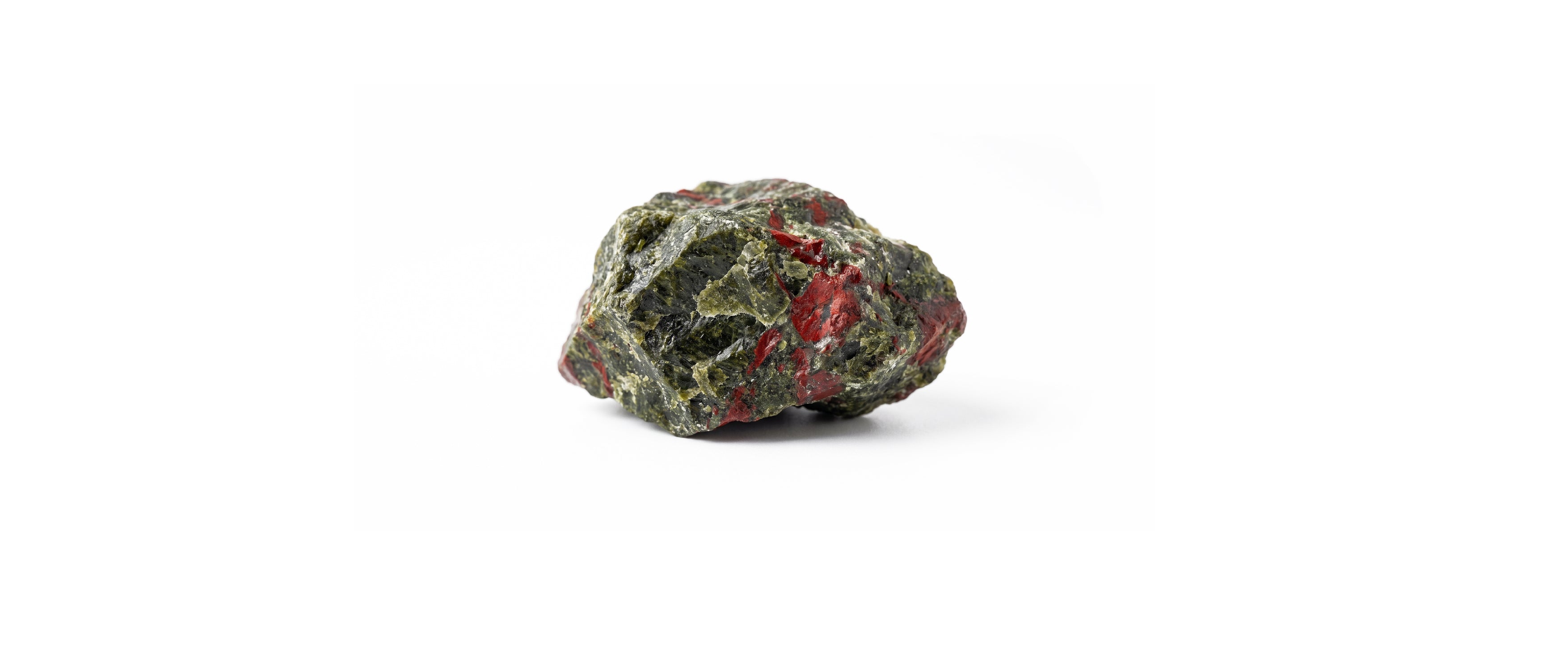
Dragon Blood Jasper is a Semi-Precious Stone.
Dragon Blood Jasper is a distinctive semi-precious stone known for its deep green body and contrasting red markings. Despite its commercial name, it is not a true Jasper in geological terms.
The material is commonly described as a natural combination of green Epidote with red Piemontite or other iron- and manganese-rich mineral inclusions, depending on the deposit. These contrasting colours create the dramatic appearance that gives the stone its name.
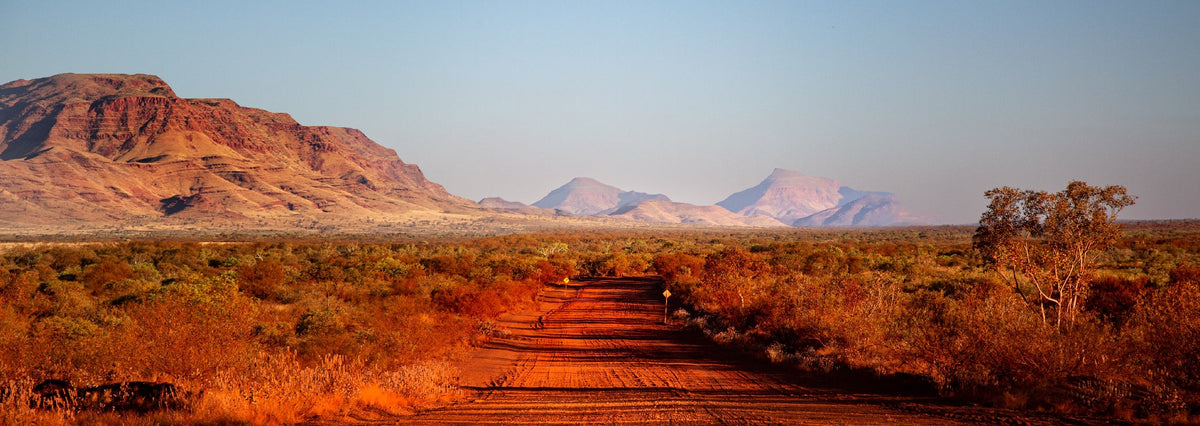
Dragon Blood Jasper is associated commercially with material from Western Australia and parts of South Africa, although exact mineral composition and origin can vary between batches.
With a hardness generally around 6–7 on the Mohs scale, it is durable enough for beads, cabochons and everyday jewellery when handled with reasonable care.
Mohs Hardness: Approx. 6–7
Material Type: Mixed mineral stone
Main Minerals: Epidote with Piemontite and other mineral inclusions
Transparency: Opaque
Lustre: Dull to vitreous when polished
Colours: Deep green with red, burgundy and earthy markings
Distinctive Feature: Contrasting green body with natural red mineral patterns
Major Sources: Western Australia and South Africa