



Burmese Jade has long been one of the most treasured gemstones in Chinese culture, art and symbolism. For centuries, it has been carved into jewellery, ornaments and ceremonial pieces, becoming a powerful symbol of status, longevity, prosperity and protection.
Traditionally, Burmese Jade is associated with harmony, wisdom, balance and good fortune. It is believed to encourage calm, strengthen the spirit and help protect against negative energy, while promoting a sense of stability and inner peace.
Highly prized by Chinese royalty, scholars and collectors, Jade came to represent virtue, purity and enduring strength. Its cultural importance is also reflected in the Jade Emperor, one of the highest-ranking deities in Chinese mythology.
Today, Burmese Jade remains cherished for its beauty, cultural significance and strong association with prosperity, protection and positive energy.
Associated with: Harmony • Wisdom • Prosperity • Protection • Balance • Longevity • Good Fortune • Inner Strength
Care: Burmese Jade is relatively durable but should still be protected from hard knocks, harsh chemicals and sudden temperature changes. Clean gently with lukewarm water, mild soap and a soft cloth. Avoid bleach, strong acids, steam and ultrasonic cleaners, and store separately from harder gemstones where possible.
* These meanings are based on traditional and metaphysical beliefs.
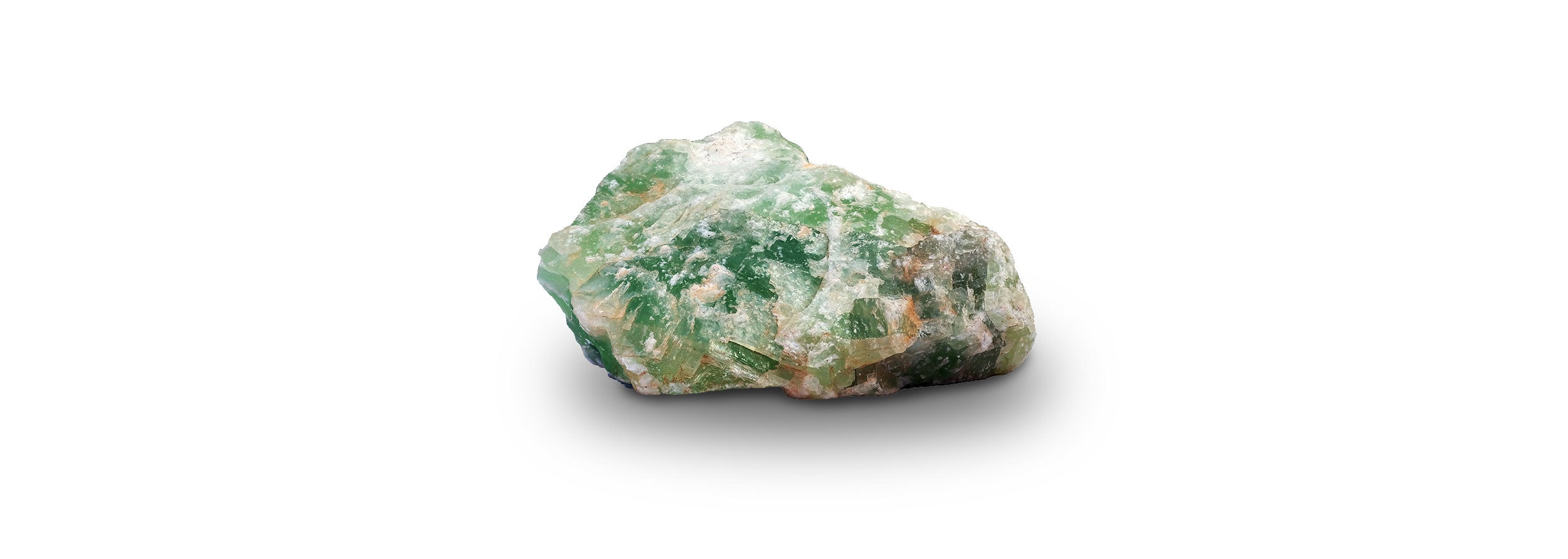
Jade as a Precious Gemstone
Burmese Jade usually refers to Jadeite, the rarer and generally more valuable of the two minerals commonly known as Jade. Jadeite is a sodium- and aluminium-rich pyroxene with a hardness of approximately 6.5–7 on the Mohs scale.
Myanmar has long been the world’s most important source of fine Jadeite, including highly prized translucent green material traditionally known as Imperial Jade. Jadeite can occur in many colours, including green, white, lavender, yellow, orange, red and black.
Jade has held extraordinary importance in Chinese culture for centuries, representing virtue, status, prosperity and refinement. Fine Burmese Jadeite remains especially prized for its colour, translucency, texture and rarity.
Although Jadeite is commonly classified as a semi-precious gemstone, exceptional specimens can command values far beyond many traditional precious gemstones.
Mohs Hardness: 6.5–7
Mineral Family: Pyroxene
Composition: Sodium Aluminium Silicate
Transparency: Opaque to translucent; exceptionally fine material may be highly translucent
Lustre: Vitreous to slightly greasy
Colours: Green, white, lavender, yellow, orange, red and black
Primary Origin: Myanmar (Burma)