



There is something naturally quiet about Phosphosiderite. Its soft lavender and orchid tones give it a gentle character, making it especially associated with stillness, reflection and emotional balance.
Closely associated with the Crown Chakra and Third Eye Chakra, Phosphosiderite is believed to encourage intuition, self-awareness and clearer perspective. It is often chosen during stressful or uncertain periods as a symbolic reminder to slow down before reacting.
Its meaning is less about pushing harder and more about creating enough space for the mind to settle. Sometimes clarity appears not through force, but through stillness, patience and perspective.
Associated with: Inner Peace • Clarity • Balance • Reflection • Intuition • Calm • Awareness • Personal Growth
Care: Phosphosiderite should be handled with care. Clean gently with a soft, slightly damp cloth and mild soap when necessary. Avoid harsh chemicals, prolonged soaking, high heat, steam and ultrasonic cleaners, and store separately from harder gemstones.
* These meanings are based on traditional and metaphysical beliefs.
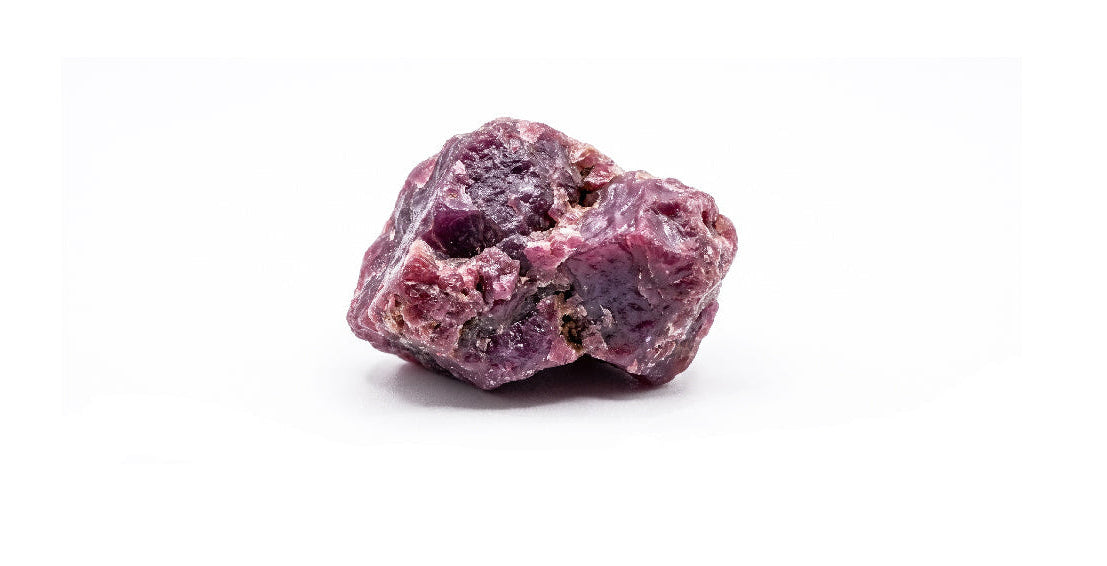
Natural Phosphosiderite — Semi-Precious Stone
Phosphosiderite is a semi-precious gemstone material and a hydrated iron phosphate mineral, best known for its soft shades of lilac, lavender, orchid and violet. Its smooth, almost porcelain-like appearance gives it a very different character from glittery purple stones such as Lepidolite.
Its name comes from phosphorus and the Greek word sideros, meaning “iron”, referring to two of its main chemical components. Its composition is FePO₄·2H₂O.
With a hardness of around 3.5–4 on the Mohs scale, Phosphosiderite is relatively soft and should be treated with care when used in jewellery.
Naturally occurring material can range from pale pinkish lavender to deeper violet, with some specimens showing yellow, brown or reddish tones. Its gentle colour and distinctive silky appearance have made it increasingly popular in gemstone jewellery.
Mohs Hardness: 3.5–4
Mineral Family: Phosphate Mineral
Composition: Hydrated Iron Phosphate — FePO₄·2H₂O
Transparency: Translucent to opaque
Lustre: Vitreous to silky
Colours: Lavender, lilac, orchid, violet, pinkish purple, yellow and brown
Distinctive Feature: Soft purple colour with a smooth, porcelain-like appearance
Major Sources: Chile, Argentina, Germany, Portugal.