


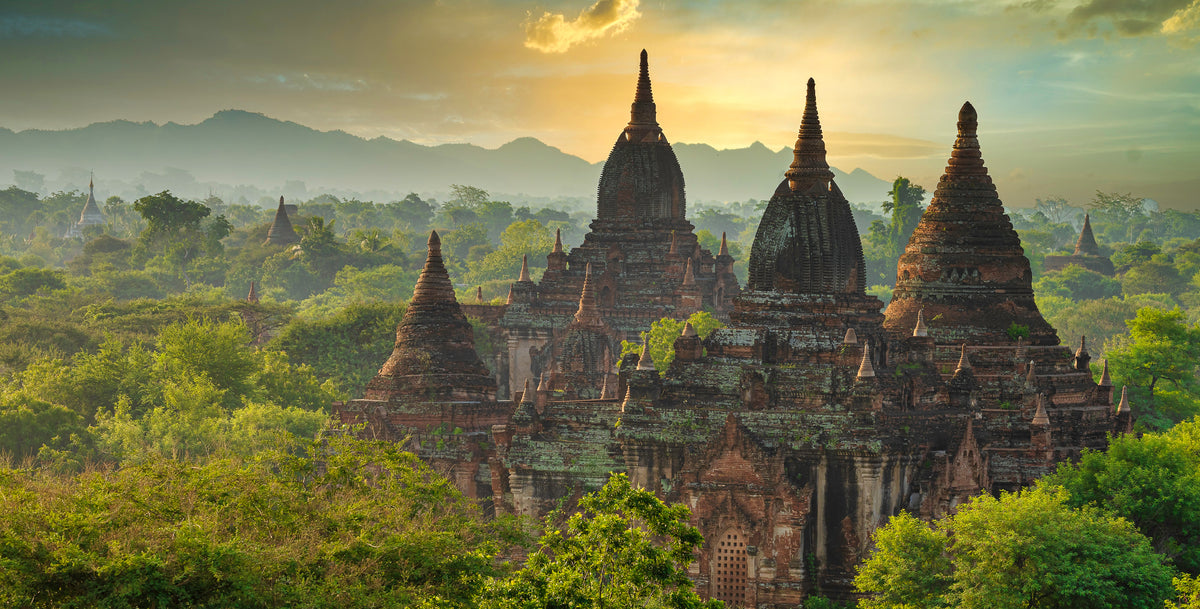
Born from the mountains of Myanmar, Burmese Jade has long been regarded as one of Asia’s most treasured stones — admired not only for its beauty, but for the meaning carried through generations.
Prized especially in Chinese culture, fine jade came to represent virtue, protection, harmony, prosperity and enduring strength. More than an ornament, it became a stone worn close to the body, passed through families, and treasured as a symbol of character and blessing.
Its beauty is quiet rather than loud. From soft translucent greens to deeper emerald tones, every piece reveals subtle variations shaped by nature over immense spans of time. That restraint is part of jade’s appeal — strength without aggression, elegance without excess, and presence without the need to announce itself.
For VARDE, Burmese Jade represents a meeting of heritage and modern form. We honour the stone’s long cultural significance while allowing its natural colour, translucency and character to take centre stage in contemporary design.
These pieces are created for those who value substance over display — a reminder that true strength can be calm, lasting and deeply rooted.
Ancient in spirit. Enduring by nature.
Jade as a Precious Gemstone
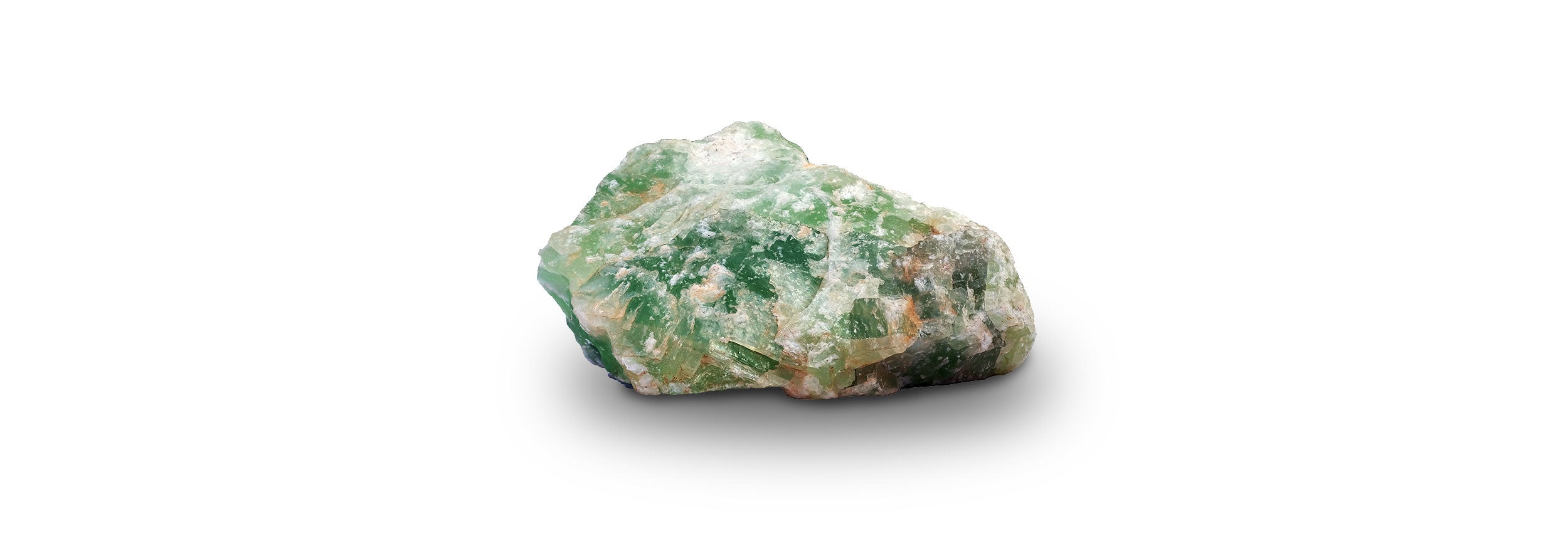
Burmese Jade usually refers to Jadeite, the rarer and generally more valuable of the two minerals commonly known as Jade. Jadeite is a sodium- and aluminium-rich pyroxene with a hardness of approximately 6.5–7 on the Mohs scale.
Myanmar has long been the world’s most important source of fine Jadeite, including highly prized translucent green material traditionally known as Imperial Jade. Jadeite can occur in many colours, including green, white, lavender, yellow, orange, red and black.
Jade has held extraordinary importance in Chinese culture for centuries, representing virtue, status, prosperity and refinement. Fine Burmese Jadeite remains especially prized for its colour, translucency, texture and rarity.
Although Jadeite is commonly classified as a semi-precious gemstone, exceptional specimens can command values far beyond many traditional precious gemstones.
Mohs Hardness: 6.5–7
Mineral Family: Pyroxene
Composition: Sodium Aluminium Silicate
Transparency: Opaque to translucent; exceptionally fine material may be highly translucent
Lustre: Vitreous to slightly greasy
Colours: Green, white, lavender, yellow, orange, red and black
Birthstone: March (Alternative traditional association)
Primary Origin: Myanmar (Burma)